7 Gentle Ways to Reduce Constant Reminders and Create a Calmer Home
Some evenings, the house feels quiet but not peaceful. A blinking light on the router, a sticky note near the sink, or an unopened package leaning against the wall are small signals waiting for attention.
None of them feel urgent, yet together they keep the mind slightly on edge.
Constant reminders rarely arrive as loud disruptions. They show up as visual nudges, unfinished decisions, or tiny tasks that quietly linger.
Over time, they shape how a space feels. Not through clutter alone, but through the steady sense that something still needs doing.
Why Constant Reminders Create Mental Noise
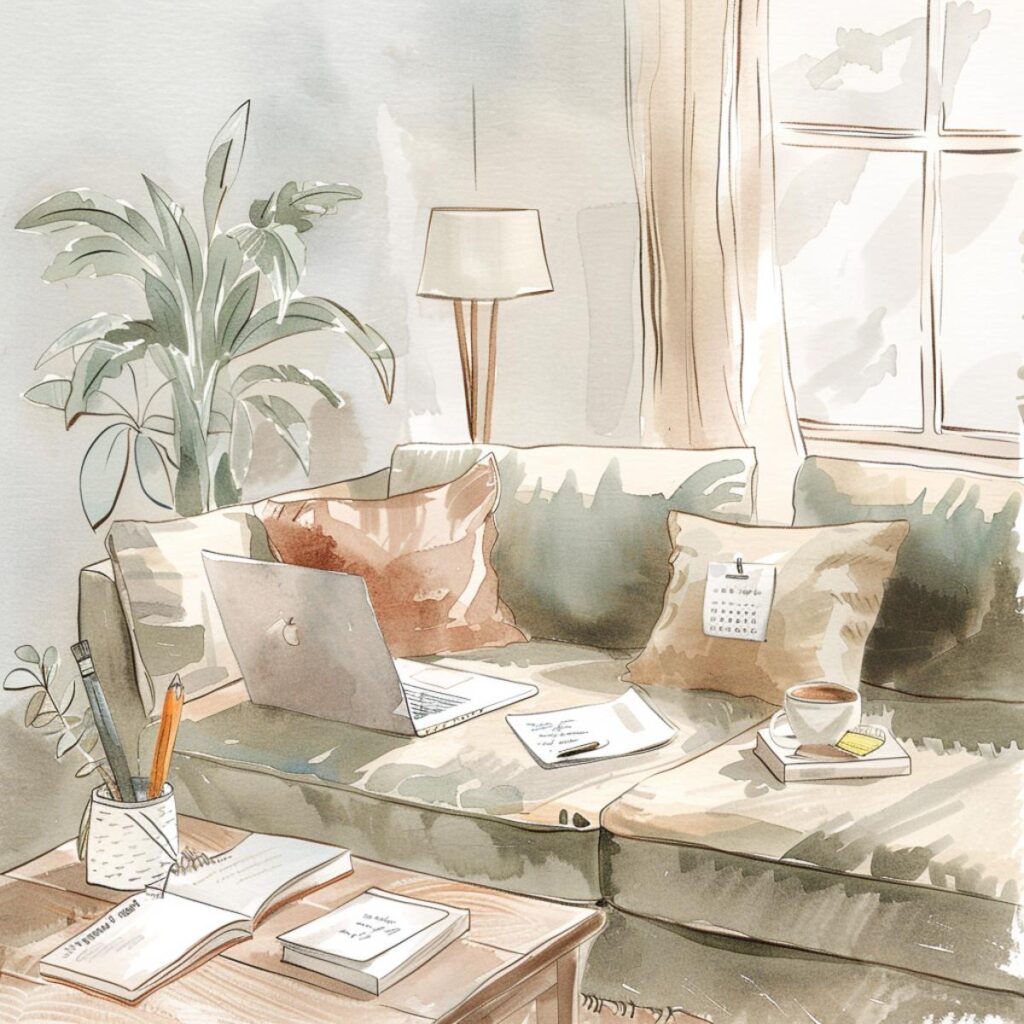
Homes are often filled with systems meant to help us remember things. Calendars, lists, labels, and notifications can be useful, but when everything asks for awareness at once, clarity fades.
The brain begins scanning instead of resting. Even a tidy room can feel heavy if every surface holds a message about what comes next.
If this is hitting close to home, there’s a short free guide with 10 small pauses you can use when your mind feels busy or hard to settle.
The Difference Between Helpful Cues and Lingering Signals
Helpful cues support daily rhythms. Lingering signals stay visible long after their purpose has passed.
A grocery list that remains on the counter after the shopping trip, or a delivery box that sits unopened for days, quietly tells the brain to keep something open-ended.
Over time, these signals accumulate and create a low hum of unfinished business.
1. Choose Fewer Visible Systems
Many homes hold multiple reminder systems at once like paper notes, phone alerts, whiteboards, and mental lists layered together. Simplifying to one or two primary methods reduces visual competition.
Instead of spreading reminders across different rooms, consider gathering them into a single location. One consistent space for planning can help the rest of the home feel quieter.
2. Close Loops Quickly When Possible
Not every reminder needs to linger. Small actions completed in the moment often remove more mental weight than expected.
Opening a package, recycling old paperwork, or replying to a short message may take only a minute. When these small loops close, the environment becomes calmer without adding new routines.
3. Let Some Surfaces Stay Neutral
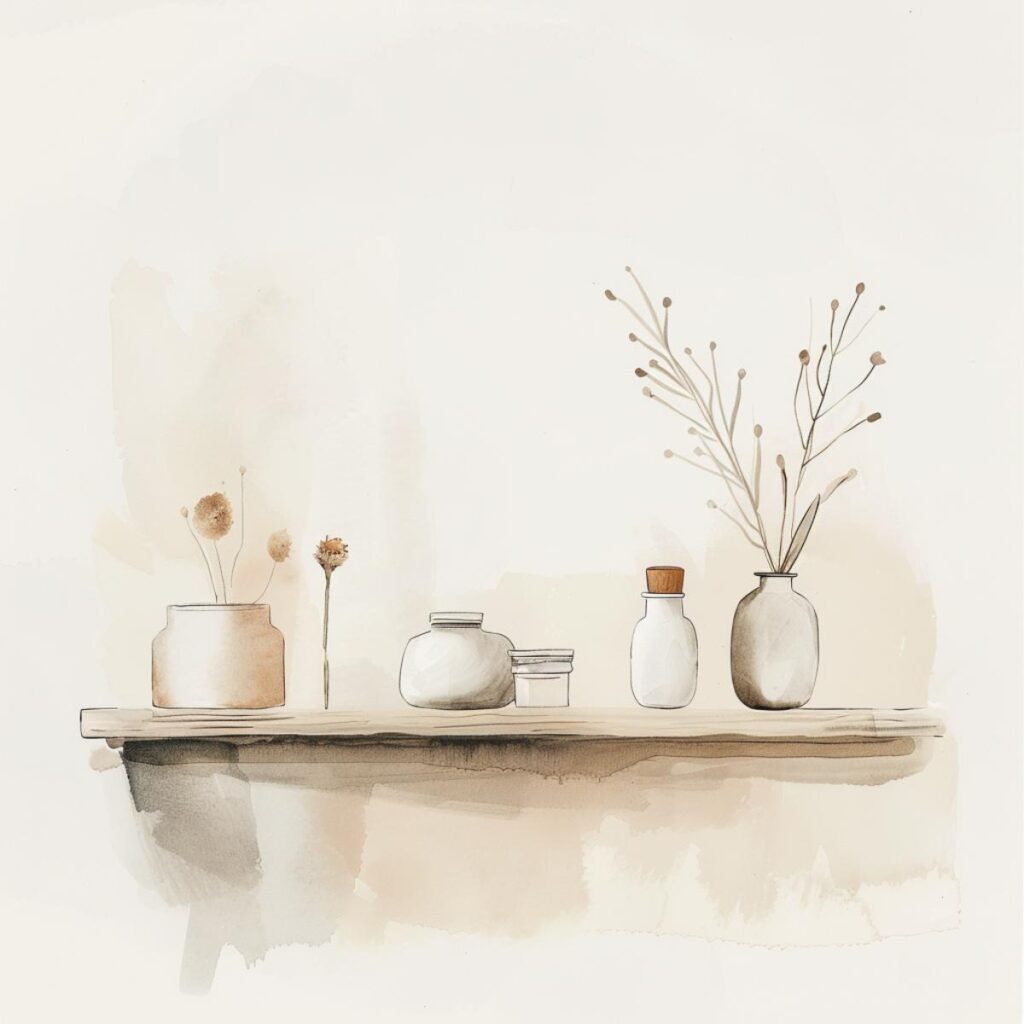
Every surface communicates something. A table covered in reminders can subtly signal urgency even when nothing is pressing.
Choosing one or two neutral areas (a cleared shelf or a quiet corner) gives the eyes a place to rest. These spaces don’t need to be perfectly styled; they simply exist without asking for attention.
The Role of Visual Pauses
Visual pauses act like a breath between thoughts. When the brain encounters open space, it naturally slows its scanning behavior.
Over time, these pauses can make a home feel less like a checklist and more like a place to land.
4. Rethink “Just in Case” Placement
Many reminders stay visible because they feel safer within reach. Keys left on the edge of a table, unopened mail near the door, or supplies stacked “just in case” often remain longer than intended.
Creating gentle storage for these items, like a small drawer or basket, keeps them accessible without keeping them constantly visible.
5. Reduce Background Notifications
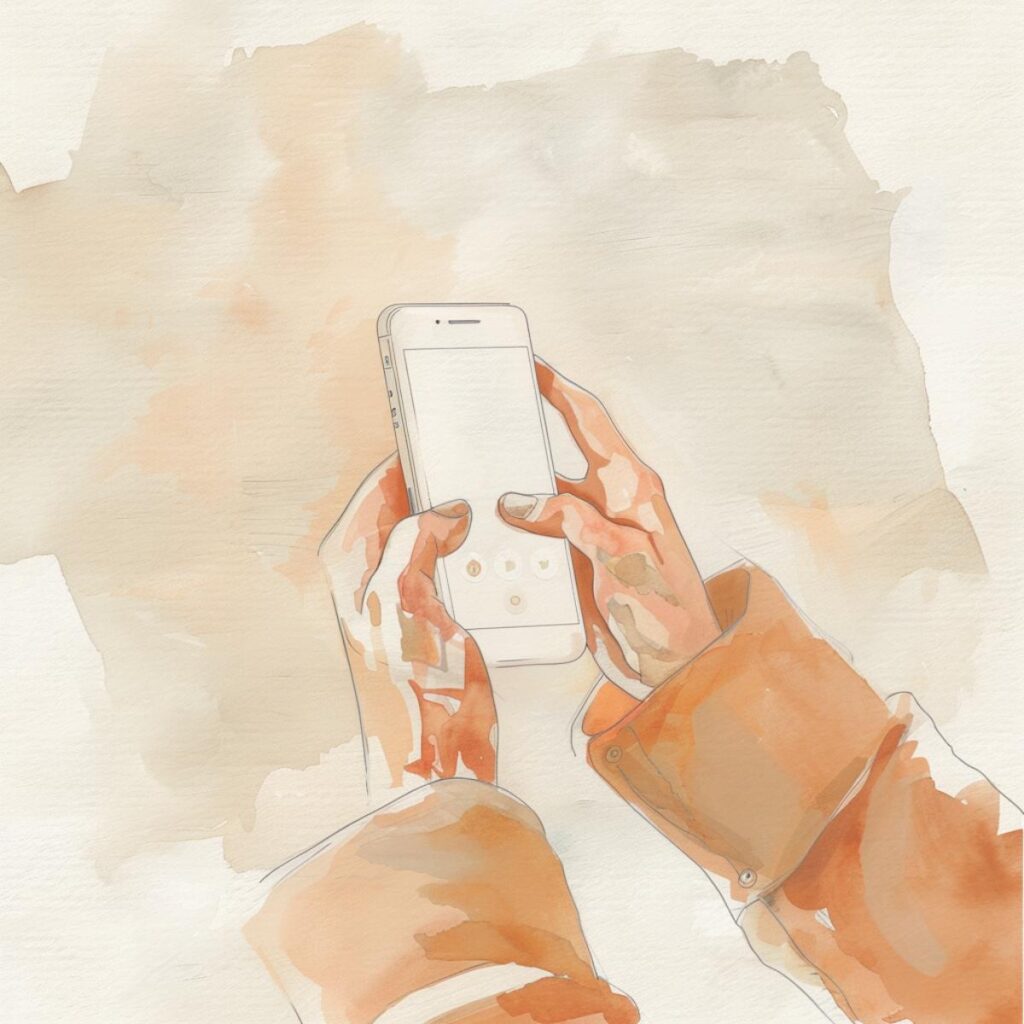
Constant reminders don’t only come from physical objects. Screens often mirror the same pattern through alerts, badges, and persistent tabs.
Turning off nonessential notifications or grouping them into scheduled times allows devices to support focus instead of pulling attention throughout the day. Even a slight reduction can soften the feeling of constant readiness.
6. Allow Tasks to Rest Outside Your Sightline
Some projects naturally take time. Leaving them fully visible between sessions can make them feel heavier than they are.
Placing ongoing tasks into a container or cabinet doesn’t mean abandoning them. It simply gives the mind permission to step away until the next intentional moment.
7. Create One Daily Reset Ritual
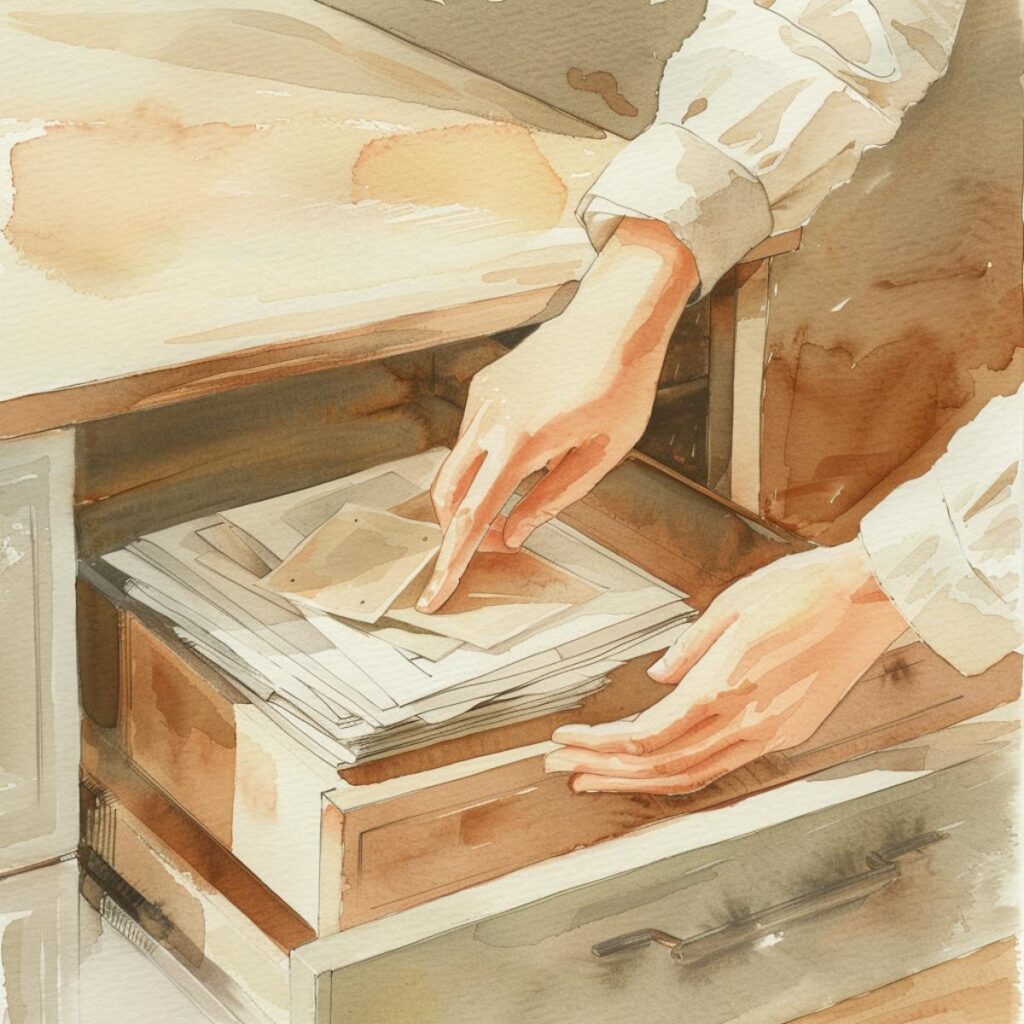
A gentle reset at the end of the day helps reminders return to their places. This might look like clearing one surface, silencing notifications, or putting away a few lingering items before settling into the evening.
The goal isn’t perfection, but creating a consistent signal that the day is complete, allowing the home to shift from active to restful.
A Home That Feels Quieter Without Doing More
Reducing constant reminders isn’t about removing responsibility or becoming perfectly organized. It’s about choosing which signals deserve attention and which ones can fade into the background.
When fewer cues compete for awareness, spaces begin to feel lighter. The room stays the same, but the experience of being inside it softens, and calm starts to feel less like a goal and more like a natural part of everyday life.
If this felt familiar, you don’t have to carry it alone.
I put together a short, free guide with 10 small pauses you can use when your mind feels busy, full, or hard to settle. They’re simple moments you can come back to during the day. No routines, no fixing, and no pressure.