5 Simple Steps for a Five-Minute Ritual That Brings Calm to Any Space
There are moments when a space feels off, even if nothing is technically wrong. The room is familiar, the day is moving along, but something feels unsettled. Your mind stays slightly on edge, as if it never quite arrived where your body is.
In those moments, the answer usually isn’t more effort or a full reset. Often, what’s missing is a brief pause that signals safety and intention.
Not a long routine. Just a few minutes to help your nervous system soften and your attention come back home.
Calm doesn’t require perfect conditions. It can be invited into any room, at any time, with a small ritual that tells your mind it’s allowed to slow.
Below is a simple five-minute ritual, broken into five gentle steps. Each one works on its own, but together they create a quiet shift that can change how a space feels almost immediately.
1. Pause at the Threshold

Before doing anything else, pause where you are. This might be in a doorway, beside a chair, or at the edge of the room. Let your body stop moving for a moment.
If this is hitting close to home, there’s a short free guide with 10 small pauses you can use when your mind feels busy or hard to settle.
This pause marks a transition. You’re not rushing in, and you’re not carrying the previous moment with you. You’re arriving.
Even a few seconds of stillness helps your mind register that something new is beginning.
2. Change One Sensory Detail
Look around and choose one small sensory adjustment. Open a window slightly. Close a door. Turn off a harsh light. Shift an object that feels out of place.
The goal isn’t to improve the room, but to signal care. One intentional change tells your nervous system that the environment is being tended to.
This small action often brings an immediate sense of relief, even before you consciously notice it.
3. Clear a Single Surface
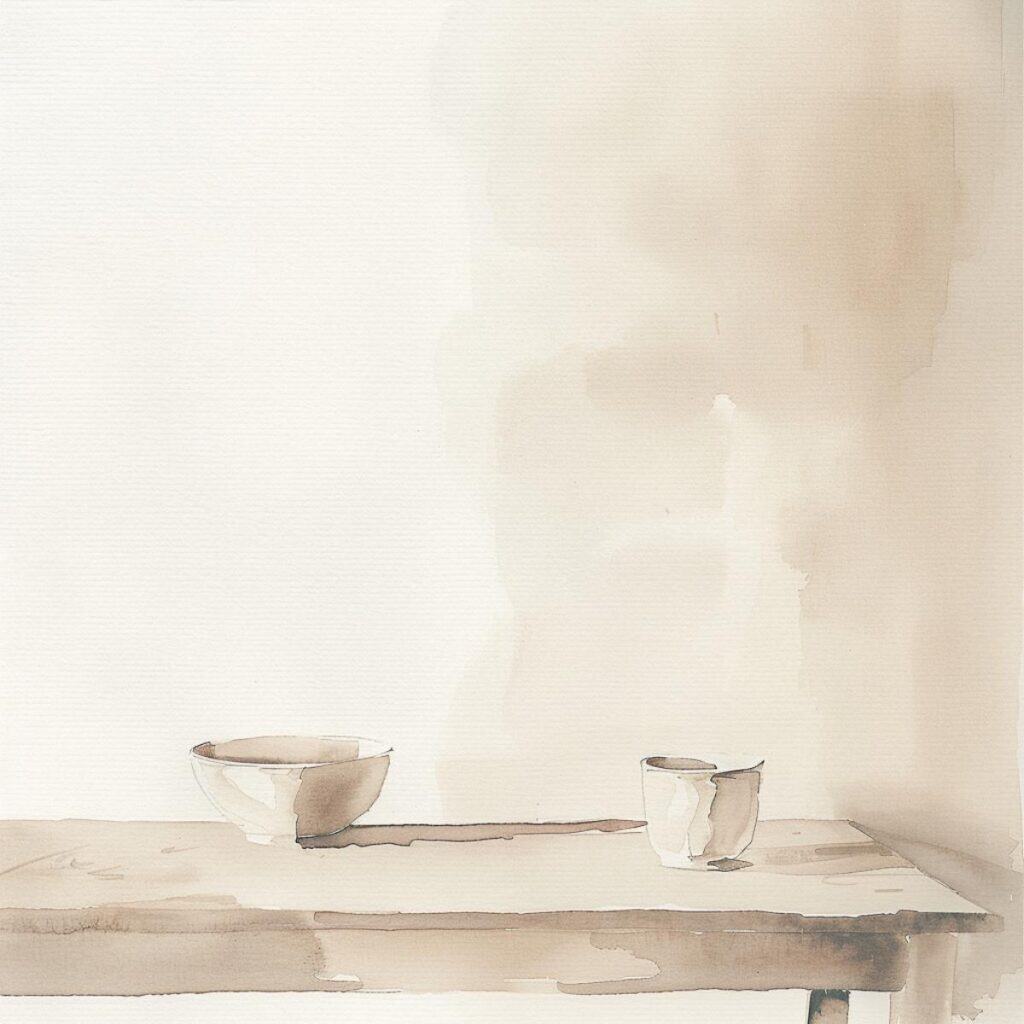
Pick one small surface and clear it completely or almost completely. A corner of a table. A chair. The top of a shelf. Move items gently, without urgency.
This isn’t about decluttering. It’s about creating one visible pocket of space.
Your mind responds to what your eyes see. One clear area gives your attention somewhere calm to rest.
4. Ground Yourself Physically
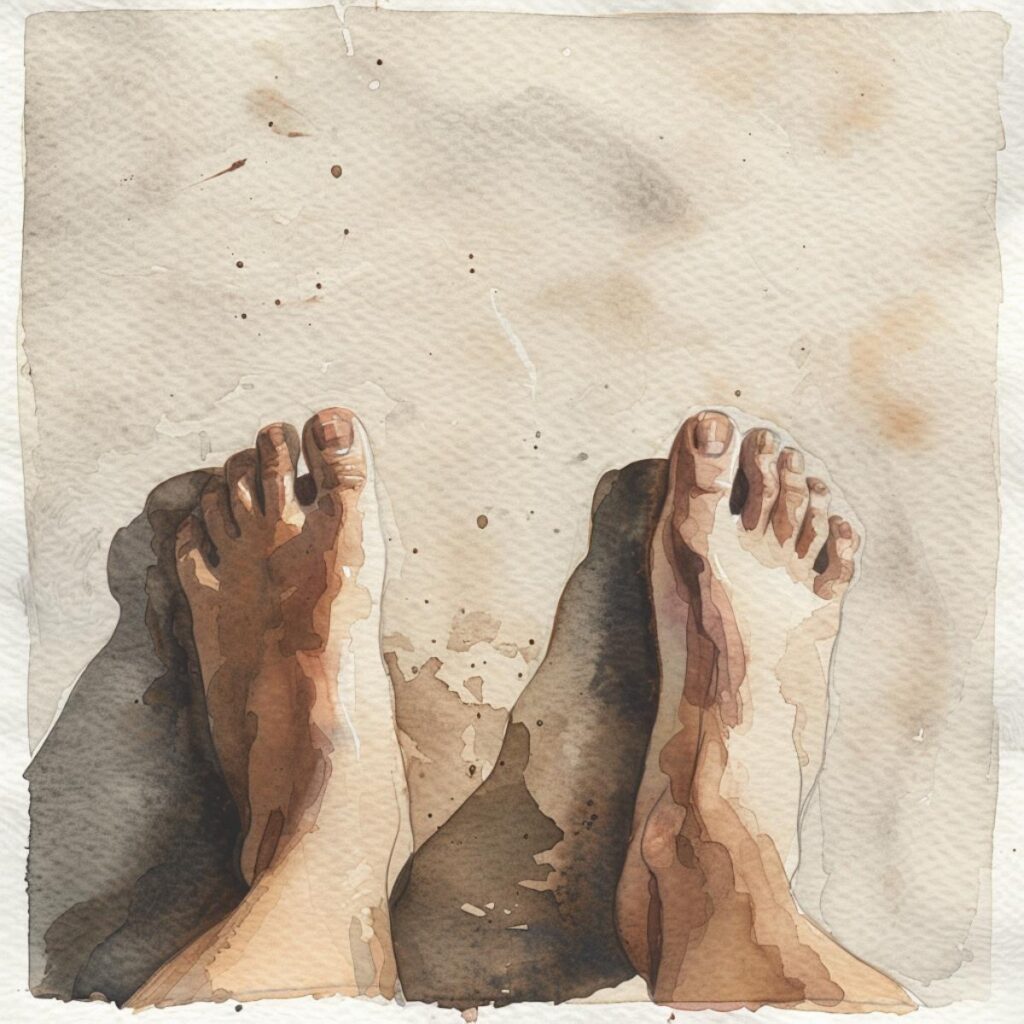
Bring your awareness into your body. Feel your feet on the floor. Notice the weight of your body where it’s supported. Take one slow, natural breath.
You don’t need to control your breathing or posture. Just notice what’s already happening.
This step anchors the ritual in your physical experience, helping your mind stop scanning and start settling.
5. Set a Quiet Intention
End the ritual with a simple, internal statement. Not a goal. Not a rule. Just a tone you want the space to hold.
Something like, “This space is enough for now,” or “I don’t need to rush here.”
Let the words land without forcing belief. The intention is an invitation, not a demand.
Why This Works
This ritual works because it speaks the language of the nervous system. Small pauses, gentle order, and sensory cues create a sense of safety faster than logic or motivation ever could.
You’re not trying to fix your mood or optimize your space. You’re offering your mind a few signals that it can stand down.
Because the ritual is short and flexible, it can be used anywhere. A bedroom. A kitchen. An office. Even a hotel room or unfamiliar space.
Making It Yours
You don’t need to follow these steps perfectly or in order. Over time, you may find one step matters more than the others. That’s okay.
What matters is consistency, not complexity. Returning to the same gentle actions teaches your mind what calm feels like in your body.
A Softer Way to Reset
Calm doesn’t always come from leaving or escaping. Sometimes it arrives when you stay, pause, and make one small shift in how you relate to where you are.
A few minutes of intention can change the emotional tone of an entire space. And once that tone shifts, everything that follows feels a little lighter.
If this felt familiar, you don’t have to carry it alone.
I put together a short, free guide with 10 small pauses you can use when your mind feels busy, full, or hard to settle. They’re simple moments you can come back to during the day. No routines, no fixing, and no pressure.