7 Gentle Decluttering Rules That Quiet Overwhelm Without Effort
It’s strange how a space can look “fine” and still feel heavy. Nothing dramatic or visibly wrong. Just a low hum of pressure that makes it harder to think, breathe, or settle.
You walk through the room and your body knows something your eyes can’t quite name.
That’s usually where overwhelm lives. Not in the big messes, but in the small, persistent friction. The things that stay just long enough to be noticed, but not long enough to be dealt with.
Decluttering, in the Lessful Living sense, isn’t about perfect spaces. It’s about removing the quiet interruptions that keep your mind on edge.
Below are seven gentle rules that reduce that friction without turning your life into a project.
Why Overwhelm Often Starts With Visual Noise
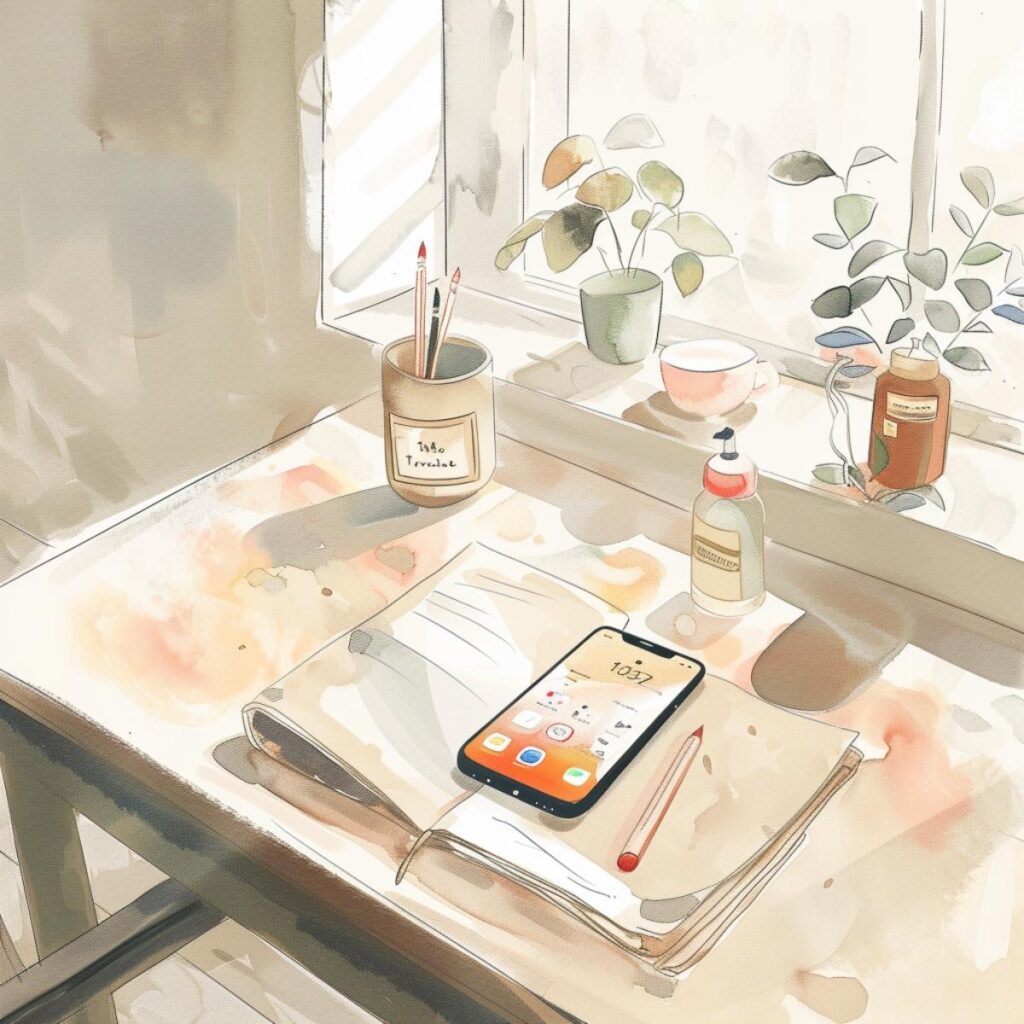
We tend to blame our minds when we feel scattered. But attention is deeply shaped by what’s around us.
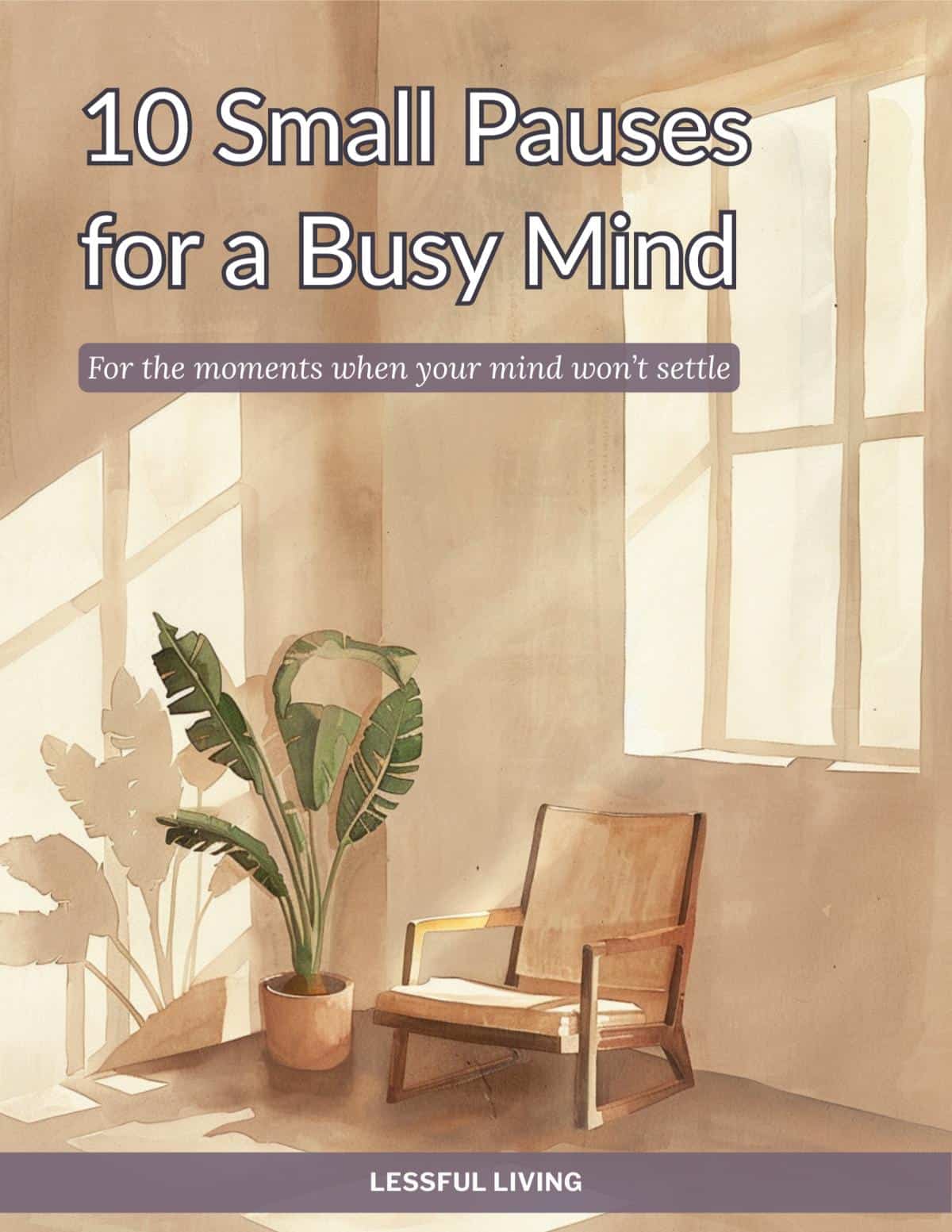
If this is hitting close to home, there’s a short free guide with 10 small pauses you can use when your mind feels busy or hard to settle.
Every object in your line of sight asks for something. Recognition. Evaluation. A micro-decision. Even when you don’t consciously respond, your nervous system does.
Over time, that creates a constant state of low-level alertness. You’re never fully at rest because your environment never fully is.
Decluttering, then, is less about tidying and more about giving your brain fewer things to hold.
1. If It Interrupts Your Eye, It Interrupts Your Calm
This rule is simple: if your gaze keeps landing on it, it’s taking energy.
That stack of mail. The half-used bag by the door. The item you mean to put away later. Each one is a visual tap on the shoulder.
You don’t need to decide its fate. You just need to move it out of sight. Calm often arrives the moment something stops asking to be seen.
2. One Clear Surface Is Better Than Five “Organized” Ones
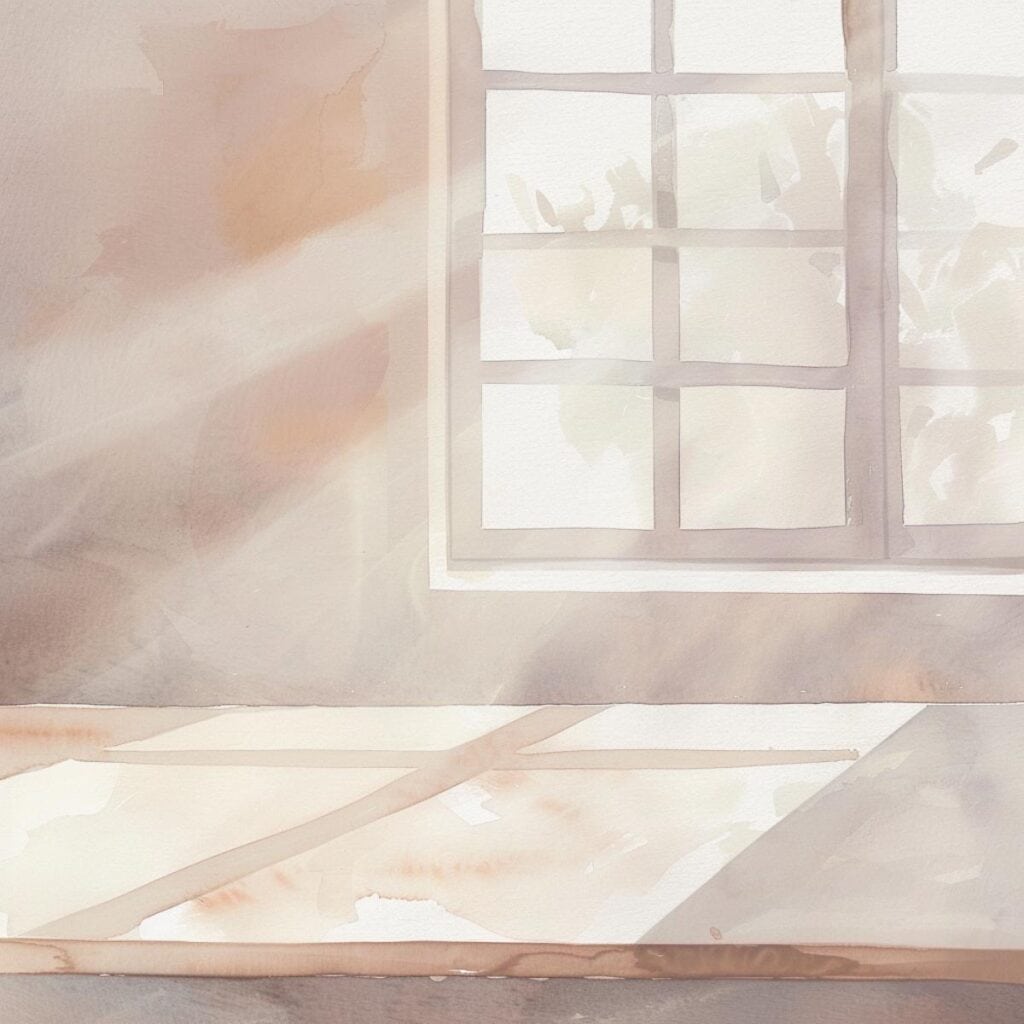
Clutter doesn’t always look messy. Sometimes it looks intentional, decorated, or styled. Busy in a quiet way.
Choose one surface (a counter, a desk, etc.) and let it be empty. Not curated or arranged. Just clear.
That open space becomes a visual exhale. Your eyes land there and your body follows.
3. If You Haven’t Used It, You’re Probably Carrying It
We often keep things not because we need them, but because we remember needing them once.
That creates a strange kind of weight. You’re not using the item, but you’re still responsible for it.
Letting go isn’t dramatic. It’s a release of obligation. A small unburdening that adds up.
4. Remove Before You Reorganize
It’s tempting to reach for bins, baskets, and systems. But organization without reduction just repackages the noise.
Before you arrange, subtract.
Ask: what could simply not be here? What doesn’t need a home?
Less is quieter than well-sorted.
5. Keep Only What Feels Neutral or Supportive
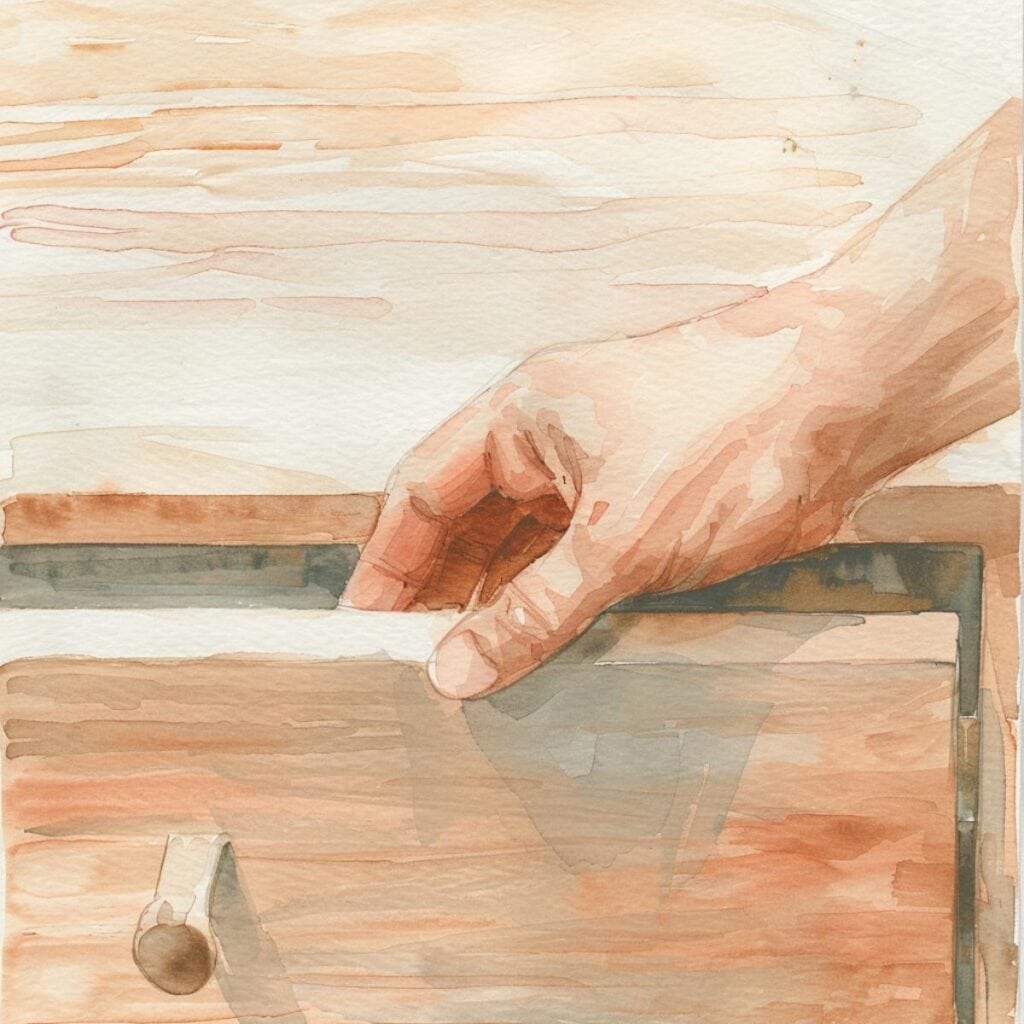
Some objects are emotionally loud. They remind you of things you meant to do, people you need to call, or phases you’ve outgrown.
You don’t have to analyze them. Just notice how your body feels when you see them.
If there’s tension, guilt, or pressure attached, it may not belong in your daily view. Your space should feel like permission, not expectation.
6. Create “Nothing” Zones
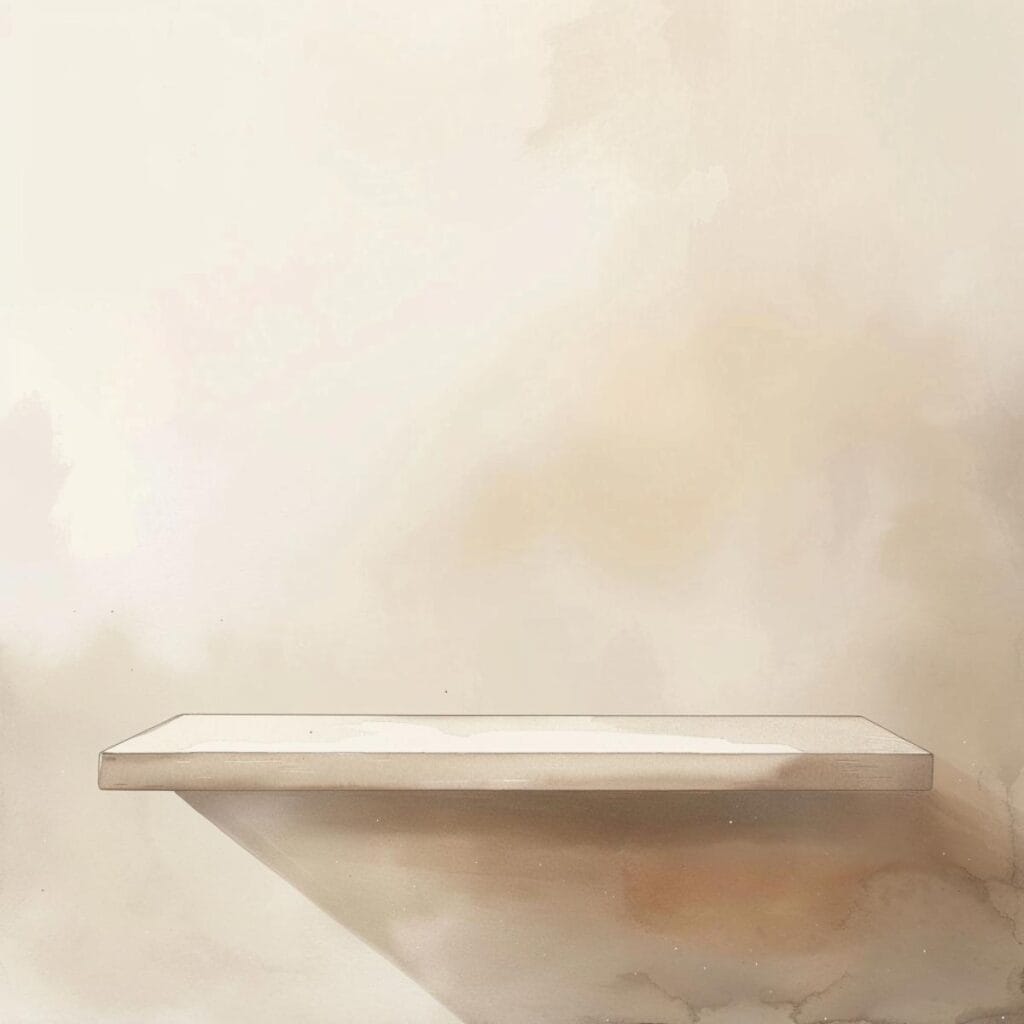
Not everything needs to be functional.
A corner with no purpose. A shelf with no items. A drawer with space in it.
These empty places are surprisingly grounding. They tell your nervous system that not every inch is spoken for. That there is room.
Room is calming.
7. End the Day With Fewer Things Out Than You Started With
This isn’t about cleaning. It’s about closing. Putting one thing away. Clearing one surface. Returning one object.
It creates a sense of completion that your mind can feel. A subtle signal that the day is allowed to end.
You don’t need a reset. Just a soft landing.
What Changes When Your Space Asks Less of You
When visual noise drops, internal noise often follows.
You think more slowly, breathe more easily, and react less quickly. There’s less scanning, less tracking, less background effort.
Not because life is simpler, but because your surroundings are.
That’s the quiet power of decluttering. It doesn’t shout or motivate. It just removes what doesn’t need to be there.
And in that absence, calm has somewhere to land.
If this felt familiar, you don’t have to carry it alone.
I put together a short, free guide with 10 small pauses you can use when your mind feels busy, full, or hard to settle. They’re simple moments you can come back to during the day. No routines, no fixing, and no pressure.