9 Subtle Ways Your Home Mirrors a Busy Mind (And How to Gently Slow Both)
There are moments when you walk into your home and feel more awake than rested. Not because anything is loud or messy, but because nothing quite settles. Your eyes move from one thing to the next, and your body follows.
The house is doing its job. It’s holding your life. But it’s also quietly reflecting the pace you’ve been keeping.
The Quiet Relationship Between Space and Pace
Our homes don’t cause mental busyness, but they often echo it. When the mind moves quickly, the environment tends to collect that motion (unfinished, layered, and slightly tense).
This isn’t about cleanliness or aesthetics, but how much visual and sensory information the space asks you to process.
When a Home Becomes a Holding Area
Busy minds rarely put things away with finality. Objects pause mid-use. Decisions linger in physical form.
Over time, the home becomes a map of what hasn’t fully landed yet, like reminders without intention or presence without rest.
If this is hitting close to home, there’s a short free guide with 10 small pauses you can use when your mind feels busy or hard to settle.
9 Subtle Ways Your Home Mirrors a Busy Mind
1. Objects That Never Fully Set Down
Items left hovering (coats draped over chairs, bags resting where they land, etc.) reflect a mind that hasn’t completed its transitions.
Nothing is wrong here. It simply shows motion without closure.
2. Flat Surfaces Carrying Emotional Weight
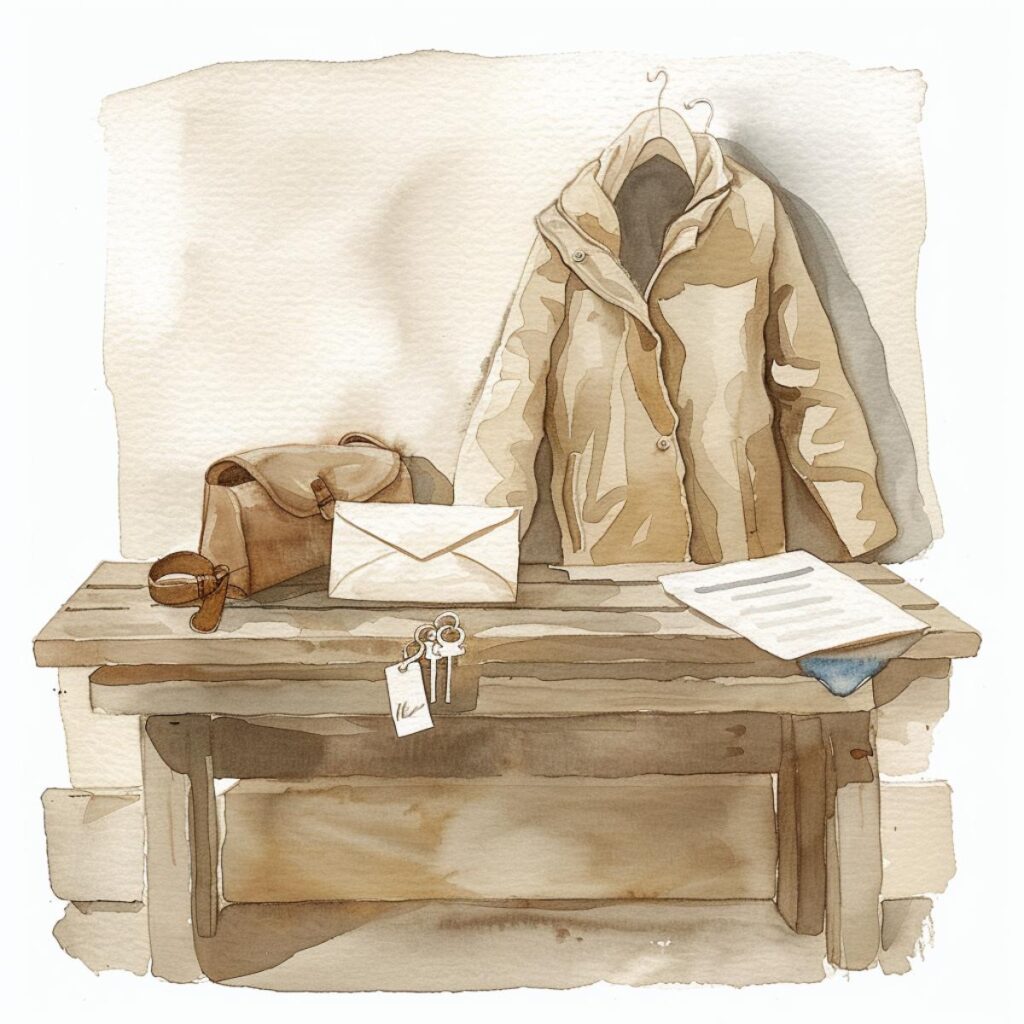
Tables and shelves quietly collect more than objects. They hold reminders, responsibilities, and postponed decisions.
The visual density often matches internal density.
3. Rooms With No Clear Purpose
Spaces meant to be one thing slowly become many. A corner becomes storage/work zone/pause zone, all at once.
When rooms lose clarity, the mind mirrors that ambiguity.
4. Lighting That Feels Slightly Too Bright
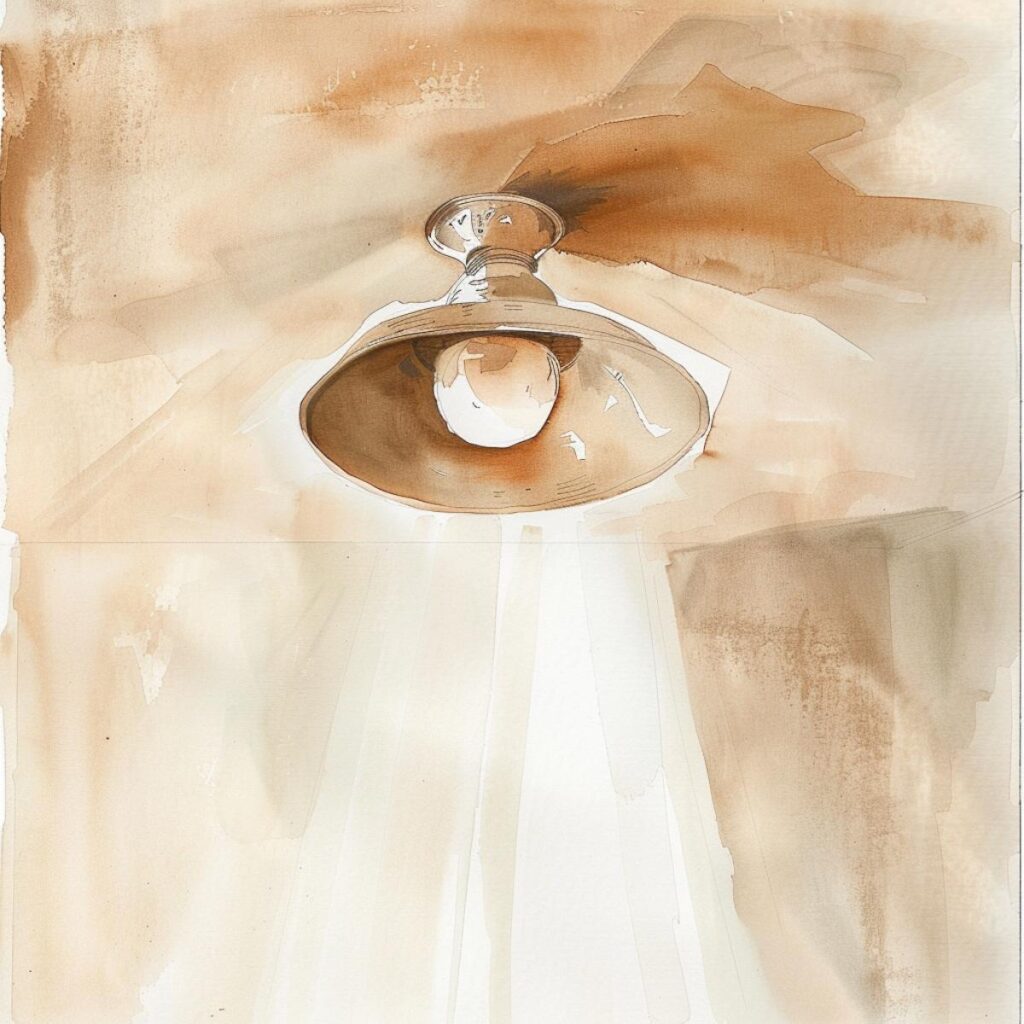
Harsh or overly bright lighting keeps the nervous system alert, even at rest.
It often reflects days spent in constant readiness.
5. Sound That Never Fully Stops
A home with continuous background noise, even gentle noise, can echo an internal hum that rarely quiets.
Stillness, when absent, is often mutual.
6. Items You Step Around Instead of Address
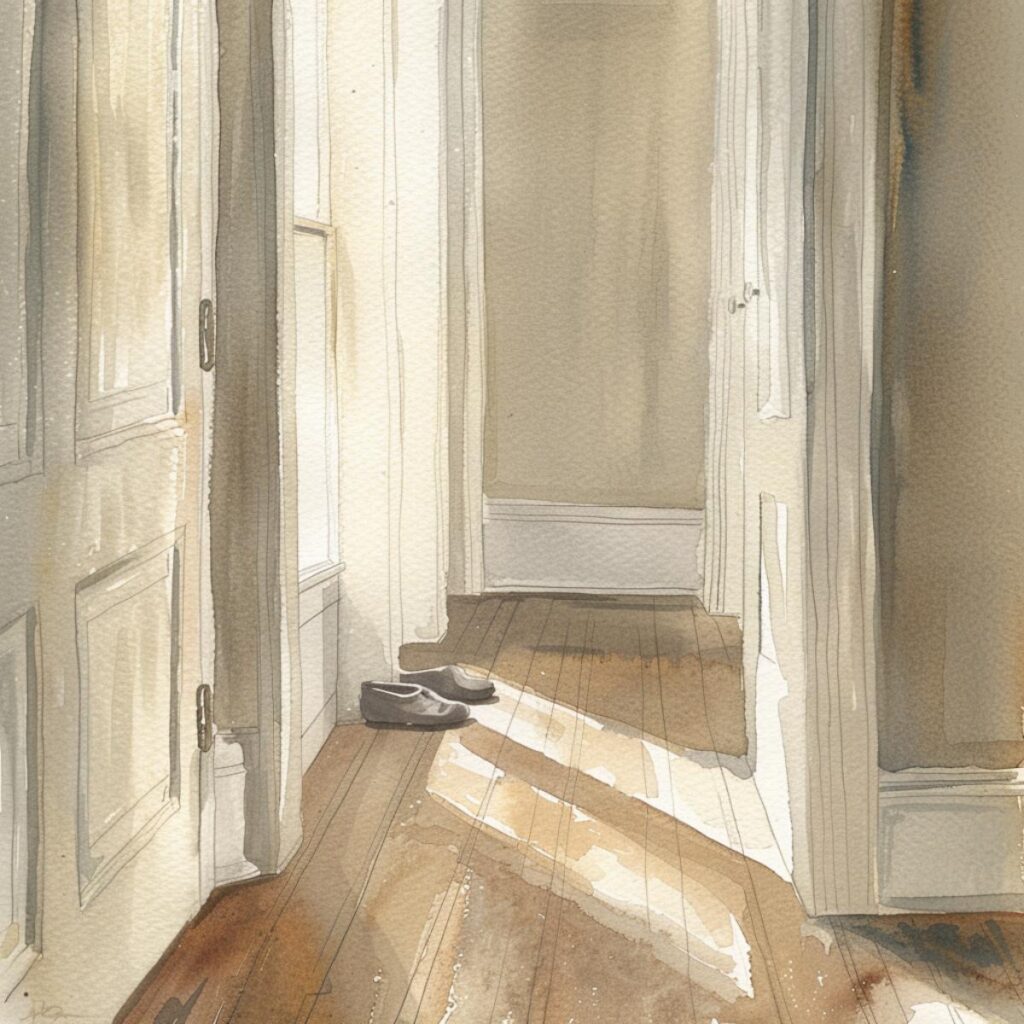
Things that require navigation instead of intention signal deferred attention.
They’re not urgent, but they’re never finished.
7. Corners That Feel Ignored
Neglected spaces often mirror neglected pauses. Not avoided, just overlooked.
The mind does this too.
8. Visual Multiplicity
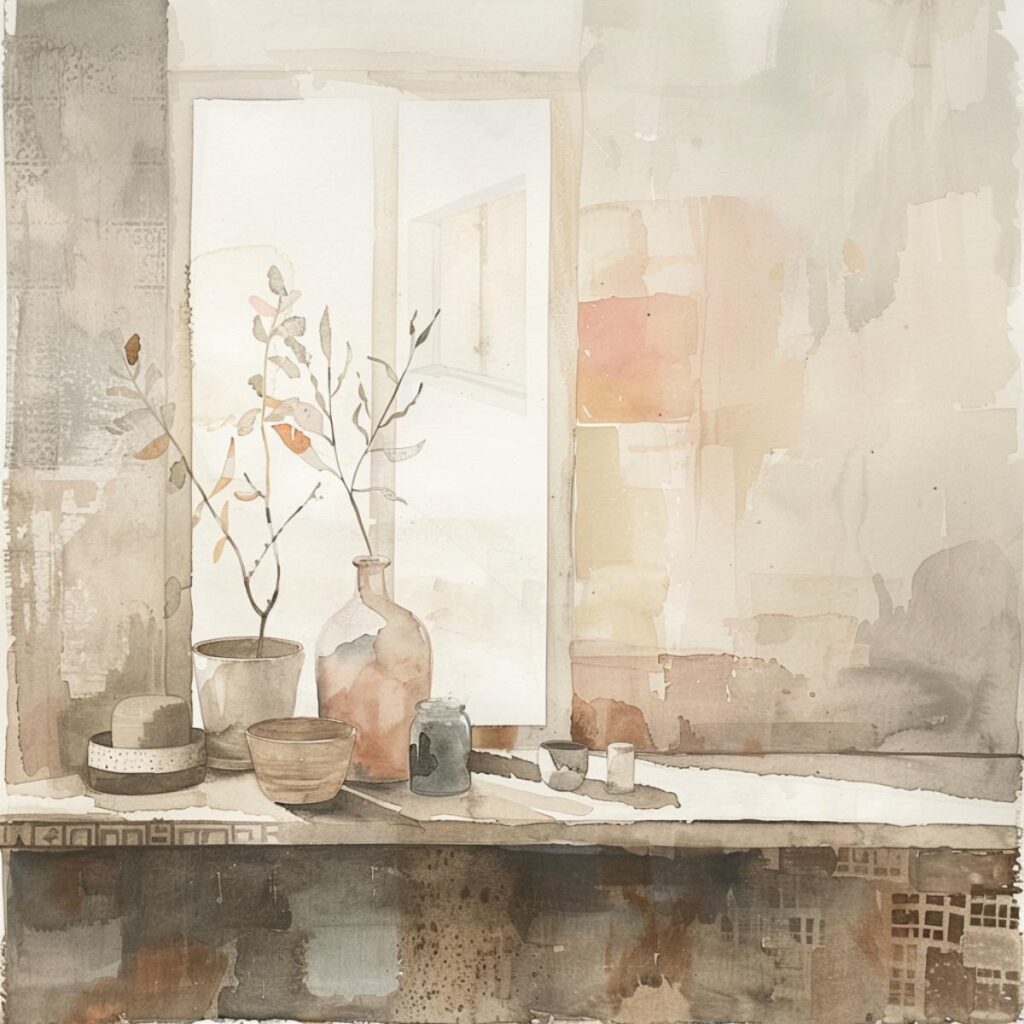
Multiple patterns, colors, or textures competing for attention can gently exhaust the eyes.
This often reflects a mind juggling many inputs at once.
9. No Place That Feels Conclusively Done
When no area feels fully complete, rest stays provisional.
Completion matters more than perfection.
Slowing the Space Without Fixing the Mind
The home doesn’t need to be optimized. It needs moments of conclusion.
Small acts, like placing something deliberately or softening light, slow the environment. The mind often follows.
A Gentle Closing
Your home isn’t a problem to solve. It’s a reflection to listen to.
When the space begins to move more slowly, the mind often realizes it can, too.
If this felt familiar, you don’t have to carry it alone.
I put together a short, free guide with 10 small pauses you can use when your mind feels busy, full, or hard to settle. They’re simple moments you can come back to during the day. No routines, no fixing, and no pressure.