
7 Simple Reset Points to Create Calm in an Overstimulated Day
There are days when nothing feels particularly hard, yet everything feels loud. Not in sound, but in pressure. The kind that builds when moments stack too closely together.
By mid-afternoon, the day hasn’t gone wrong, but it hasn’t breathed either.
This is often when the mind starts scanning ahead, holding the rest of the day all at once. What’s missing isn’t motivation or better planning, but a pause with edges. A place to briefly set things down.
What a “Reset Point” Actually Is
A reset point isn’t a break in the traditional sense. It’s not about stopping your day or stepping away for an extended period. It’s a small, intentional interruption that gives your mind a clear boundary between moments.
Instead of carrying the residue of one task straight into the next, a reset point creates separation. It tells the nervous system, quietly, this part is complete.
Why Calm Often Feels Unreachable During Full Days
When the day is packed, even with manageable things, the mind rarely releases anything fully. It keeps tabs open, both mentally and emotionally. This constant low-level readiness is exhausting, even when nothing feels urgent.
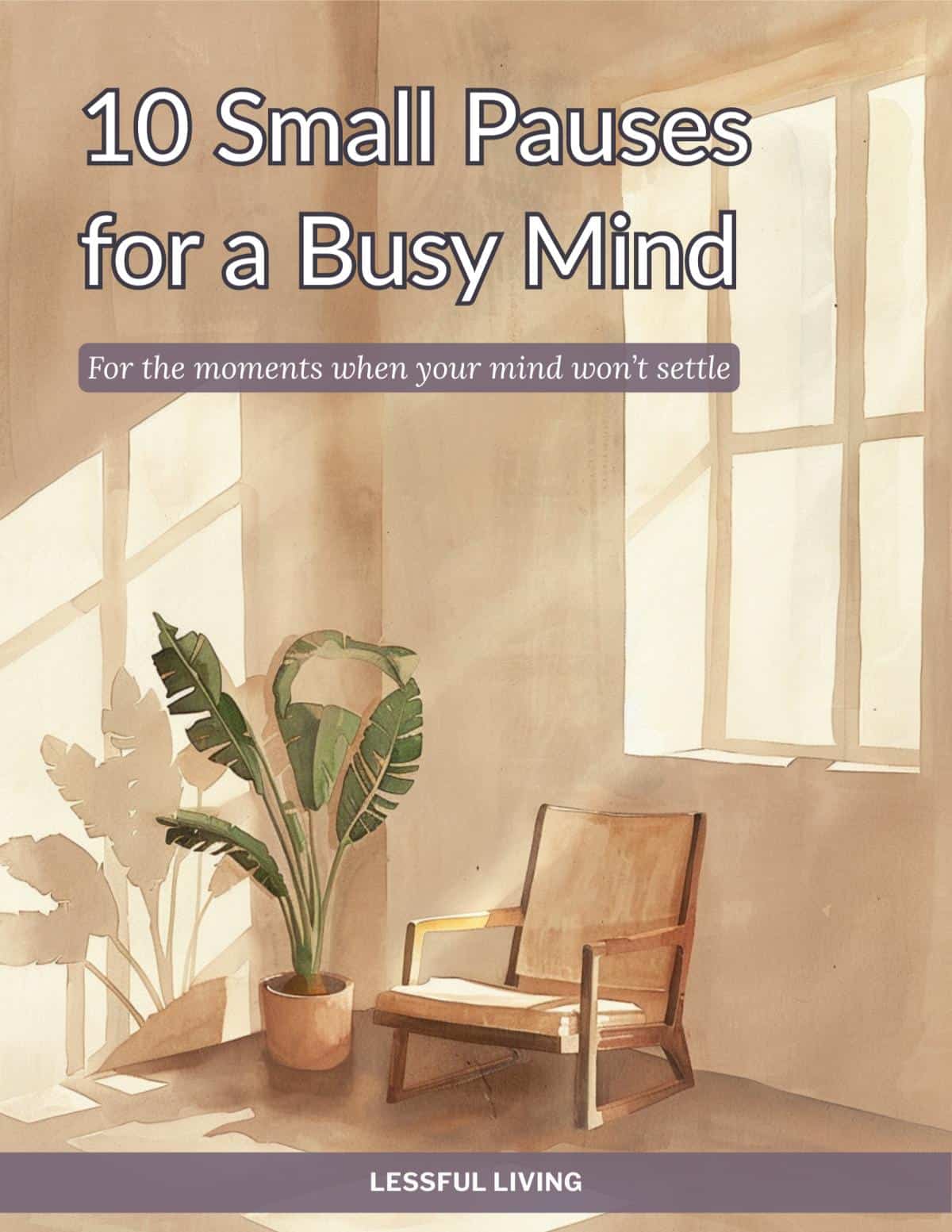
If this is hitting close to home, there’s a short free guide with 10 small pauses you can use when your mind feels busy or hard to settle.
Reset points don’t reduce what you’re doing. They change how much of it you’re holding at once.
7 Simple Reset Points You Can Build Into Any Day
1. The Threshold Pause
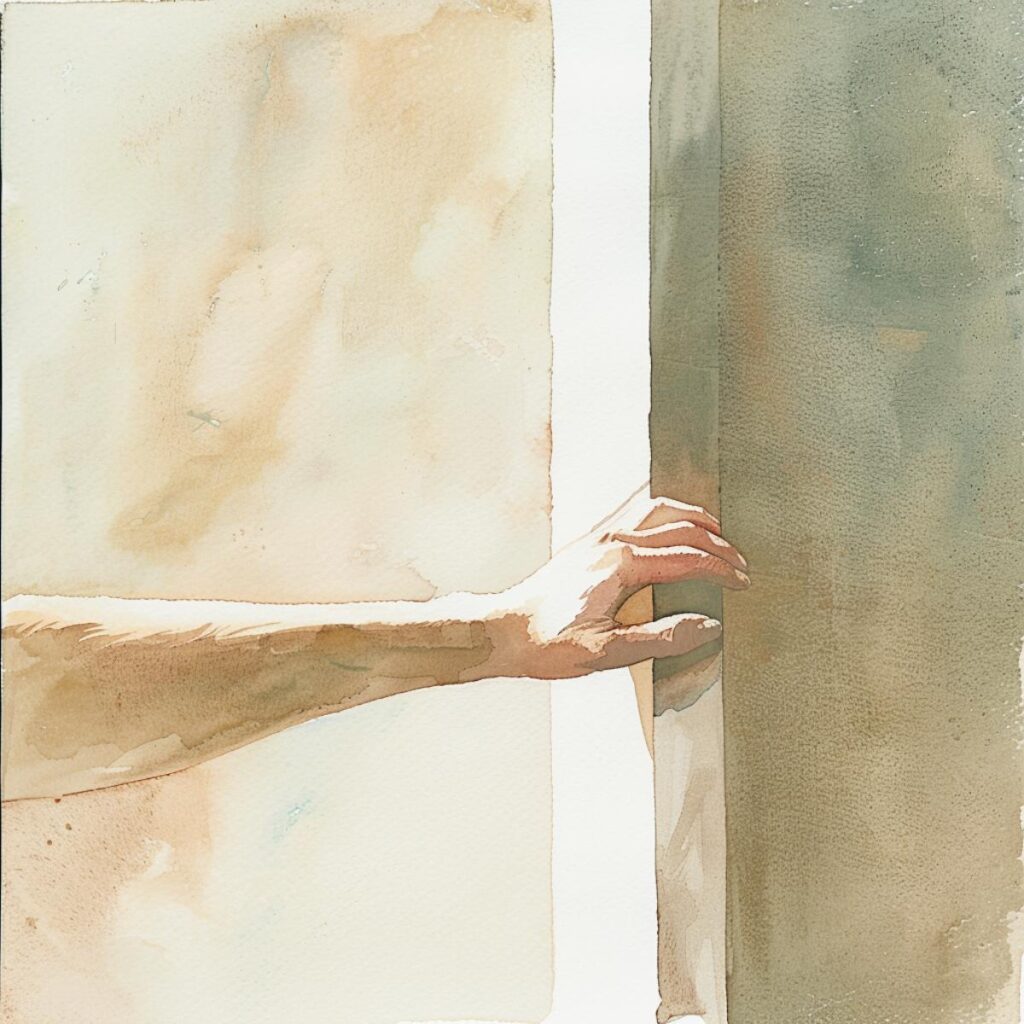
Every day has natural thresholds, like stepping inside, opening a laptop, or starting the car. Instead of moving through them automatically, pause for three seconds at one of these transitions.
No reflection is needed. Just notice the physical shift from one space to another. This brief awareness helps the mind let go of where it was.
2. Clearing One Surface
Choose a single surface (a desk corner, a kitchen counter, etc.) and clear only that space. Not as a cleaning task, but as a visual reset.
A cleared surface acts like a visual exhale. It gives the eyes somewhere to land without effort.
3. The Notification Gap
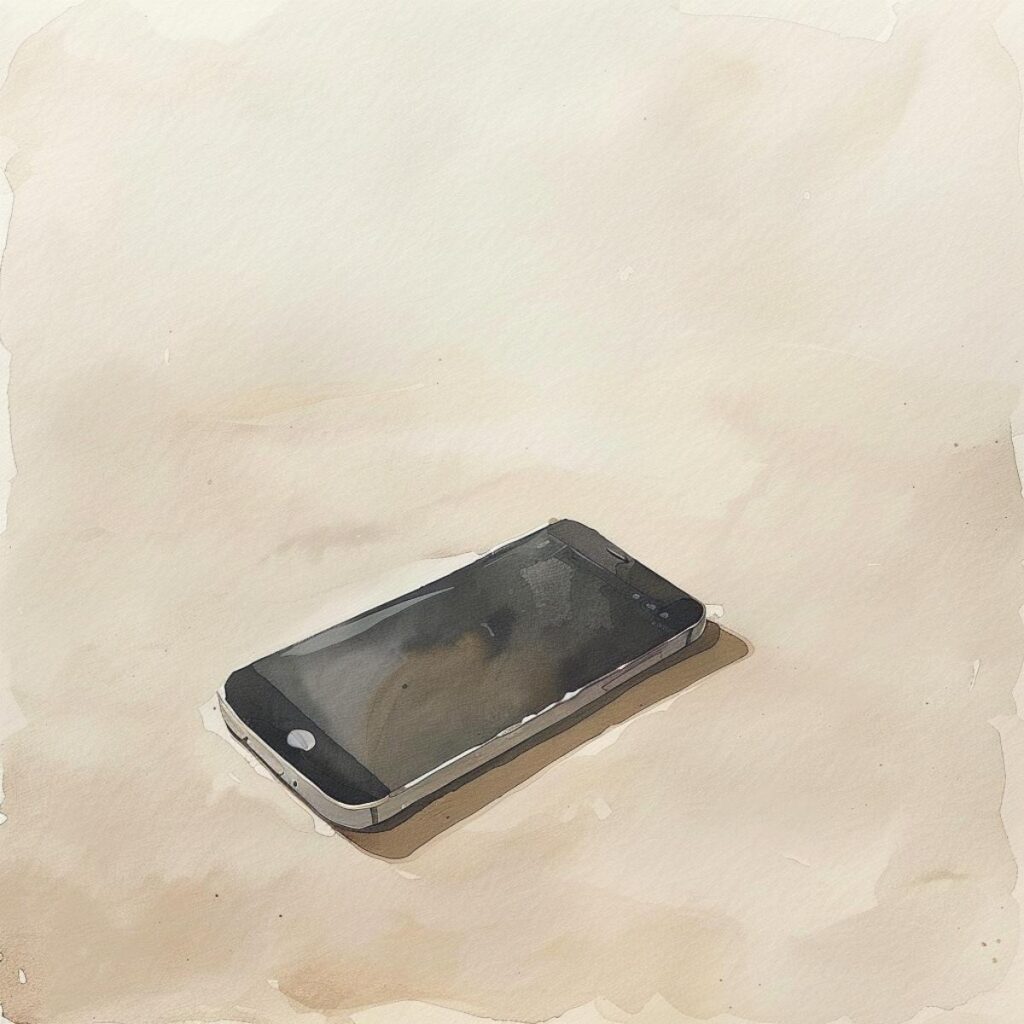
Once a day, silence notifications for a short, defined window. Ten or fifteen minutes is enough.
This isn’t about productivity, but about letting your attention settle without being pulled outward. The mind softens when it knows it won’t be interrupted.
4. Standing Without Doing
Stand up somewhere neutral (near a window, in a hallway, beside a chair, etc.) and don’t do anything for a moment. No stretching, no scrolling, no planning.
Standing without purpose creates a physical reset. It interrupts the loop of constant forward motion.
5. Changing Sensory Input

If the day feels heavy, change one sensory element. Dim a light. Open a window slightly. Remove background noise.
Small sensory shifts signal safety to the nervous system. Calm often follows when the environment becomes less demanding.
6. The End-of-Task Marker
When finishing a task, add a deliberate closing action. Close the notebook. Shut the laptop. Place the pen down flat.
These gestures give the mind a clear ending. Without them, tasks blur into one another, increasing mental clutter.
7. Naming What’s Complete

Once a day, quietly name something that’s done. Not what’s next. Not what’s pending.
Completion reduces internal pressure. It reminds the mind that not everything is open or unfinished.
How Reset Points Change the Shape of a Day
Reset points don’t add time, but they add space. They prevent the day from feeling like one long, unbroken stretch.
Over time, these small pauses train the mind to release more often. Calm becomes something you touch repeatedly, rather than something you wait for.
A Gentle Closing
A calmer day isn’t built from grand changes, but from small moments where you stop carrying everything forward. Reset points offer those moments, simple, quiet, and already available within the shape of your day.
If this felt familiar, you don’t have to carry it alone.
I put together a short, free guide with 10 small pauses you can use when your mind feels busy, full, or hard to settle. They’re simple moments you can come back to during the day. No routines, no fixing, and no pressure.