8 Ways Clear Surfaces Reduce Mental Noise
There’s a moment that often goes unnoticed: when you set something down and realize there’s nowhere obvious to put it. The counter is already full and the desk is layered with yesterday and the day before, so the item stays in your hand a second longer than it needs to.
That pause (as small as it is) reveals how much your surroundings shape your mental state. Clear surfaces don’t just look calm. They quietly teach the mind how to rest.
Why Clear Space Feels So Calming
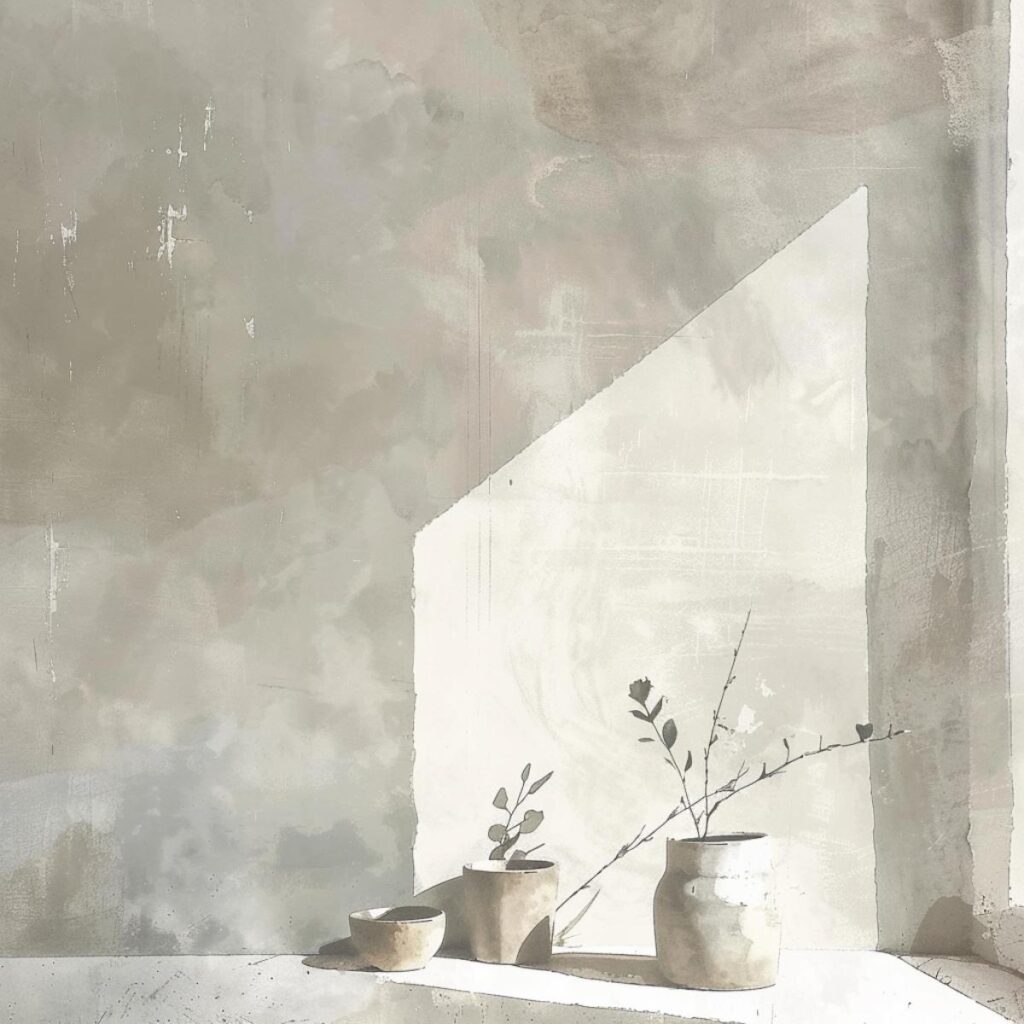
A clear surface isn’t empty in a sterile way. It’s open. It gives your attention somewhere to land without immediately being pulled in a dozen directions.
For a busy mind, that openness acts like a buffer between thought and reaction.
1. Your Brain Stops Scanning for Meaning
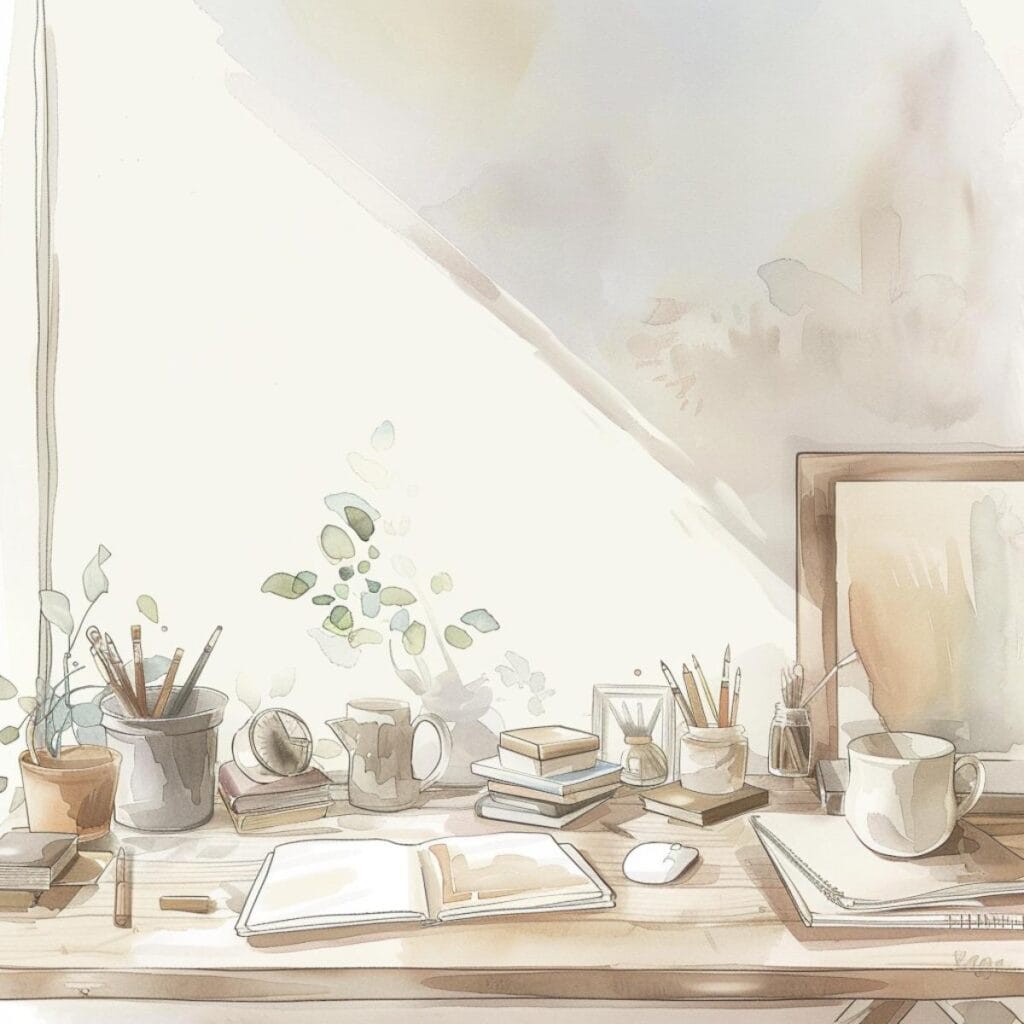
Cluttered surfaces invite interpretation. Each item asks to be categorized: important, urgent, unfinished, ignorable. That scanning happens automatically, even when you’re not aware of it.
When a surface is clear, the scanning stops. The mind doesn’t have to sort or assess. It simply moves on.
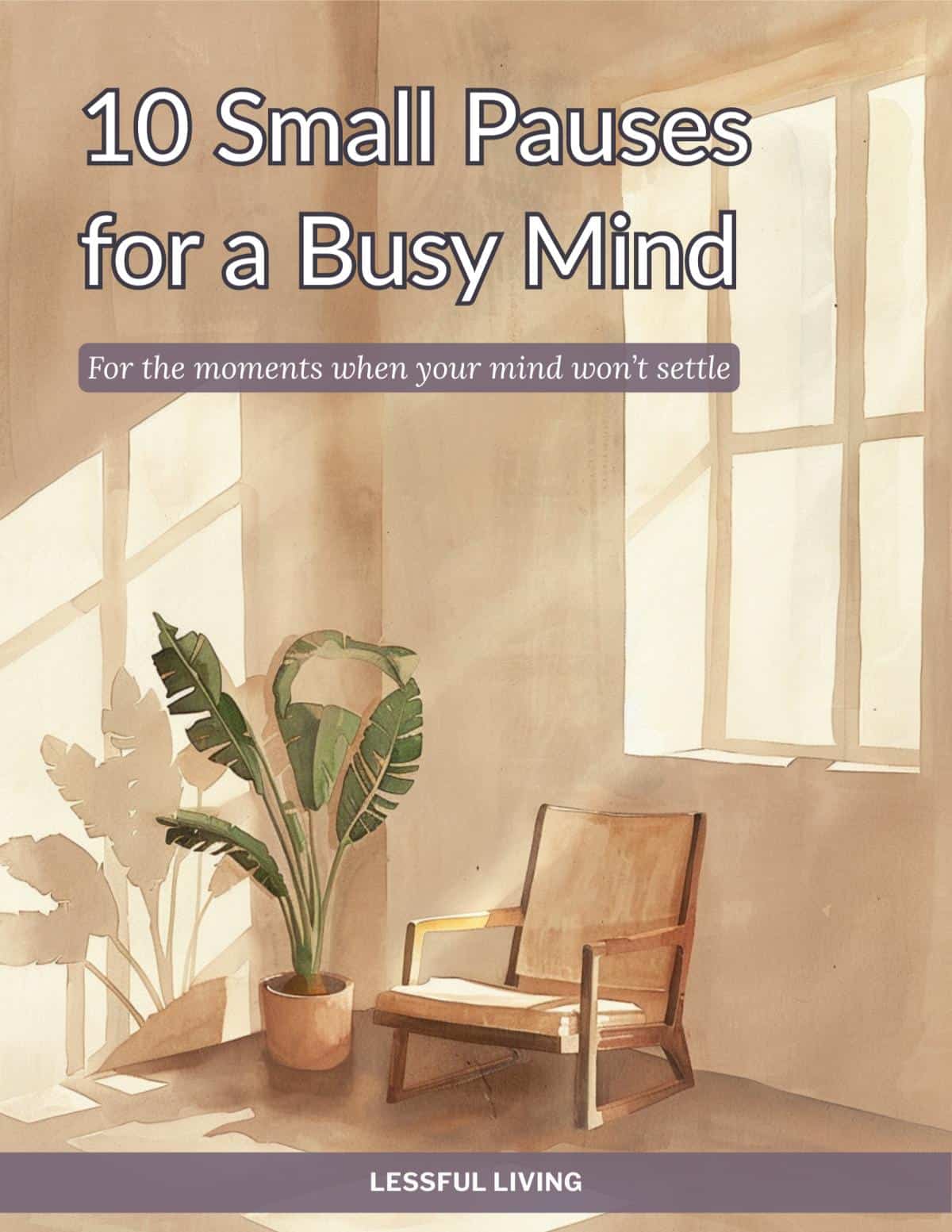
If this is hitting close to home, there’s a short free guide with 10 small pauses you can use when your mind feels busy or hard to settle.
2. Clear Space Signals Completion
An empty surface often means something is done. Not everything, but just enough.
That visual cue matters, because it tells your nervous system that at least one area doesn’t need attention right now. For a mind used to carrying open loops, that signal brings subtle relief.
3. Fewer Objects, Fewer Micro-Decisions
Every item left out creates a silent question: Should I deal with this now? Later? Ignore it?
Clear surfaces remove those questions. Fewer objects mean fewer decisions, and fewer decisions mean less mental friction across the day.
4. Stillness Becomes Easier to Tolerate
Busy environments train the mind to stay alert. When surfaces are crowded, stillness can feel uncomfortable, as if you’re missing something important.
Clear space changes that dynamic. It makes stillness feel natural instead of suspicious, allowing your attention to soften rather than brace.
5. Attention Has Somewhere to Rest

When everything competes for attention, nothing fully holds it. Clear surfaces offer visual rest, a place where your eyes don’t have to land on meaning or demand.
That rest often translates inward. The mind mirrors what it sees.
6. Movement Through the Space Feels Lighter
Clear surfaces change how you move. You reach for things more easily. You pause less. You navigate without mental detours.
That physical ease quietly feeds back into mental ease, reducing the sense of effort woven through ordinary tasks.
7. The Environment Stops Rehearsing the Past
Stacks and piles often belong to earlier moments (unfinished, postponed, or forgotten). When they stay visible, they keep pulling the past into the present.
Clear surfaces allow time to feel more current. What’s in front of you reflects now, not accumulation.
8. Calm Becomes the Default, Not the Exception
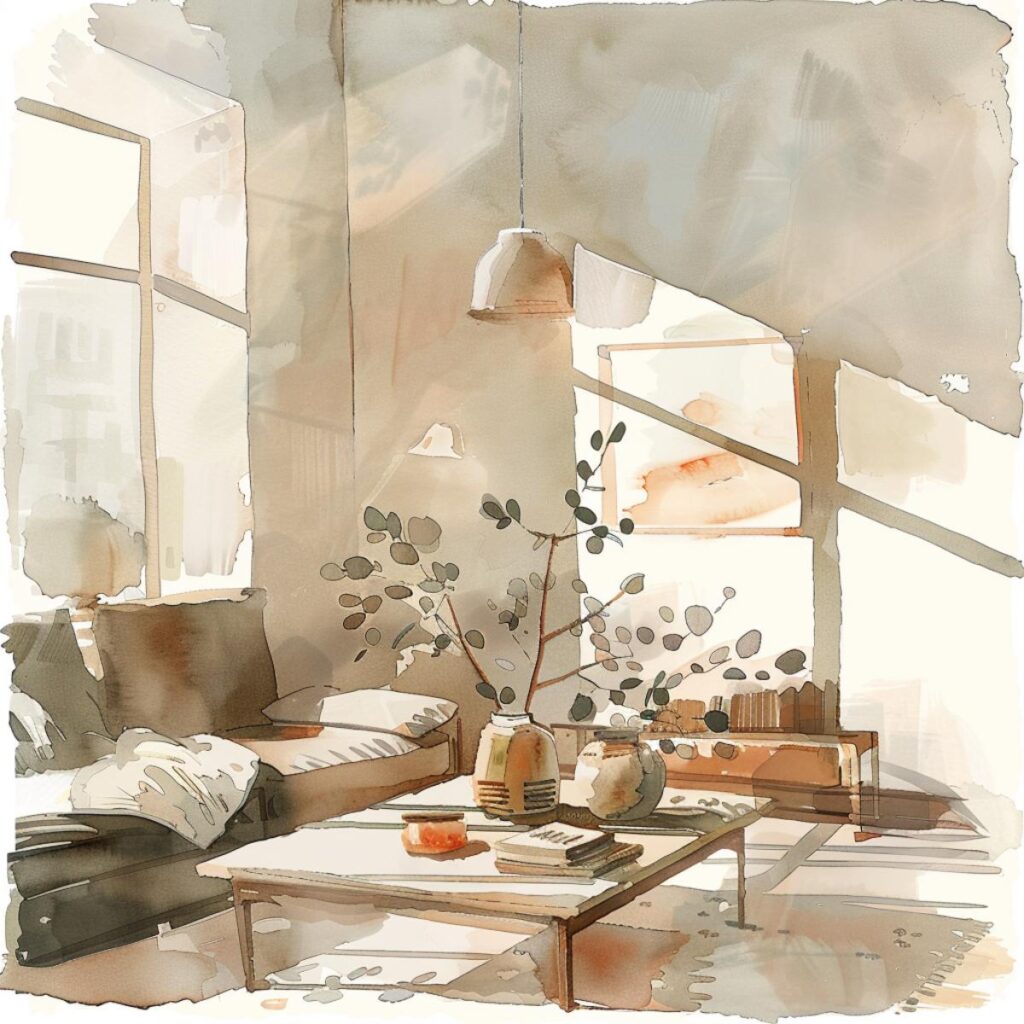
When surfaces stay mostly clear, calm stops being something you have to create intentionally. It becomes the background state.
The mind doesn’t have to work to feel settled. It simply responds to what’s already there.
A Quiet Closing Thought
Clear surfaces don’t demand perfection or minimalism. They offer breathing room.
Even one cleared table, one open counter, or one empty desk corner can shift how your day feels, not by adding anything new, but by letting something unnecessary fall away.
If this felt familiar, you don’t have to carry it alone.
I put together a short, free guide with 10 small pauses you can use when your mind feels busy, full, or hard to settle. They’re simple moments you can come back to during the day. No routines, no fixing, and no pressure.