9 Quiet Reasons Social Media Leaves Your Mind Feeling Scattered
There’s a moment that often comes after scrolling when you close an app and feel slightly untethered. Nothing is wrong. Nothing needs attention. And yet your thoughts feel spread thin, as if they didn’t come back with you.
This feeling isn’t dramatic or alarming. It’s subtle. And it’s increasingly common in a world where attention is gently pulled apart many times a day.
What “Scattered” Really Means in a Digital World

Feeling scattered doesn’t always look like stress or overload. More often, it shows up as a lack of mental cohesion, a sense that your thoughts are loosely arranged rather than settled in one place.
Social media contributes to this not through volume alone, but through how it teaches the mind to move: quickly, lightly, and without pause.
Below are nine quiet ways this happens.
1. Your Attention Rarely Gets to Finish a Thought
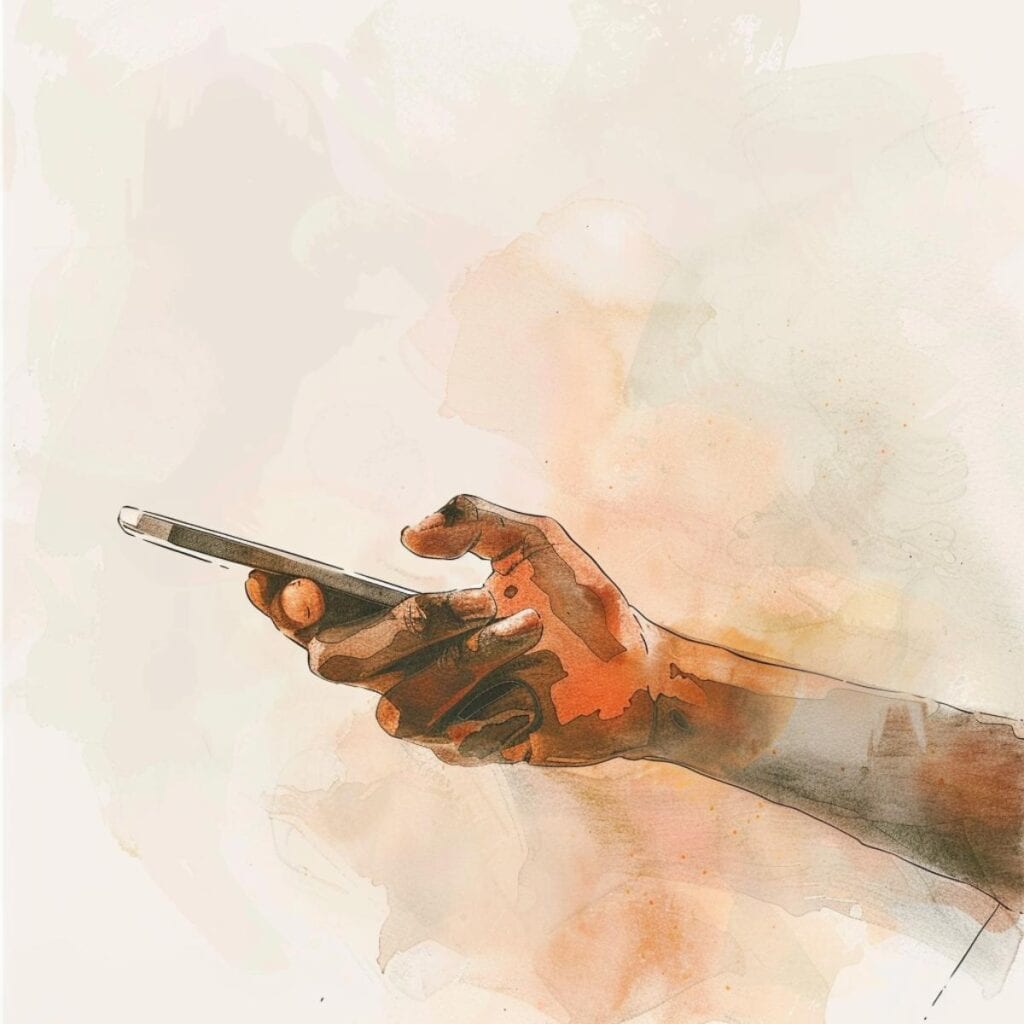
Most content is designed to be consumed midstream. You arrive partway into an idea and leave before it resolves.
If this is hitting close to home, there’s a short free guide with 10 small pauses you can use when your mind feels busy or hard to settle.
Over time, the mind becomes used to partial engagement. Thoughts start but don’t land. Curiosity is sparked but not satisfied.
This trains attention to skim rather than settle, even away from a screen.
2. The Mind Adjusts to Constant Context Switching
A few seconds of humor, followed by a serious headline, followed by personal updates, followed by advice, all without transition.
The brain adapts by staying flexible and fast. Useful traits, but tiring ones.
Once this becomes familiar, slower environments can feel oddly uncomfortable, as if the pace has dropped too low.
3. Small Emotional Signals Accumulate
Not every post triggers a strong reaction, but many trigger something: mild concern, slight envy, brief amusement, quiet tension.
Individually, these moments feel insignificant, but together, they build emotional static.
The result isn’t overwhelm, but a sense of internal clutter that’s hard to name.
4. Your Nervous System Learns to Stay Slightly Alert
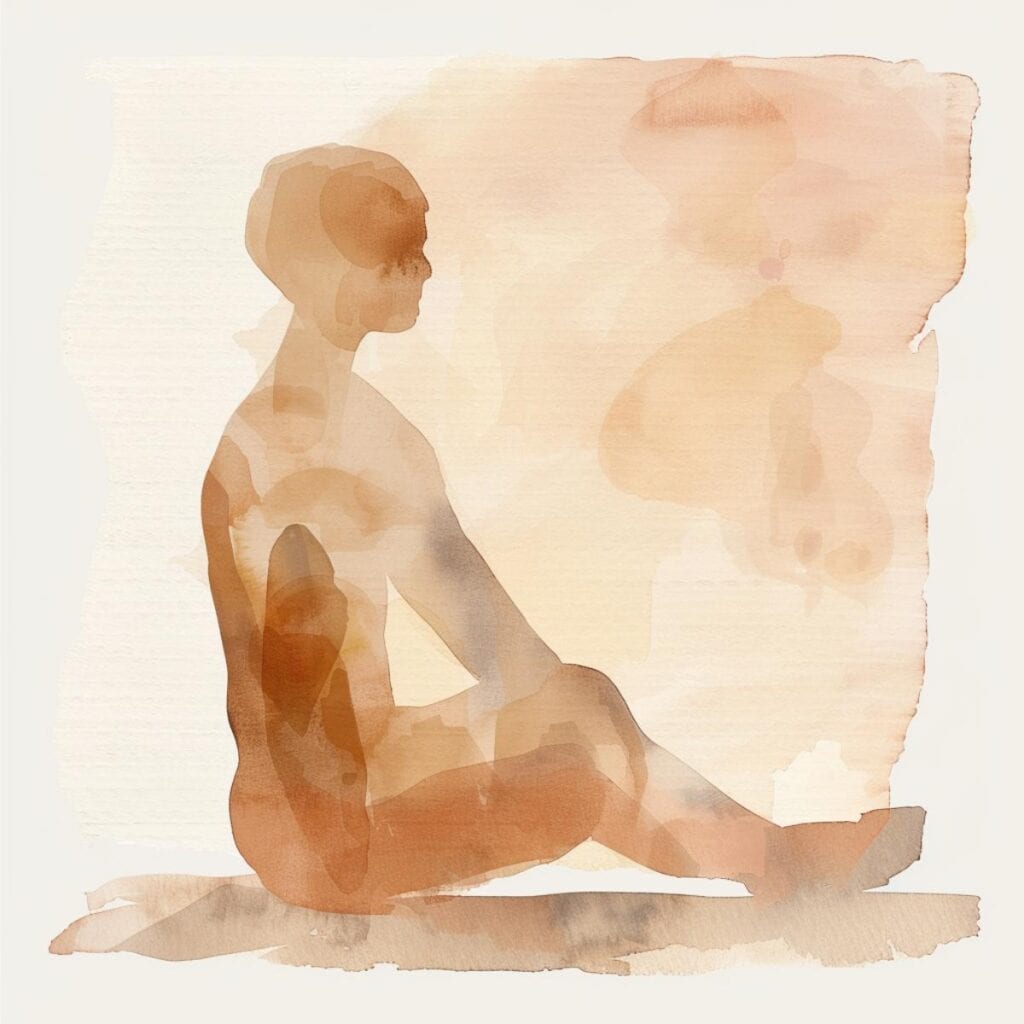
Even passive scrolling requires readiness. The next post might be funny. Or upsetting. Or important.
That uncertainty keeps the nervous system lightly activated. Not enough to feel anxious, but just enough to prevent full rest.
Afterward, the body may be still, but the mind hasn’t fully powered down.
5. There’s No Natural Sense of Completion
Most daily activities have endings. Social media doesn’t.
Without a clear finish, the brain doesn’t receive closure. Attention remains half-open, as if something is still pending.
This unfinished feeling can linger, making it harder to feel mentally “done” with anything that comes next.
6. Focus Becomes Directionless
Social media directs attention outward but not forward. You’re moving, but without a destination.
After enough exposure to this pattern, focus can feel diffuse. It’s harder to choose one thing and stay with it.
The mind isn’t resisting focus. It’s simply unpracticed at holding it gently.
7. Quiet Moments Feel Less Comfortable Than They Used To
When attention is frequently filled, empty space can feel unfamiliar.
Pauses that once felt neutral, like waiting in line or sitting down, now feel slightly restless.
The mind expects input, and without it, searches for something to latch onto.
8. Your Internal Pace Gets Out of Sync With Your Environment
Scrolling accelerates mental tempo without moving the body.
Later, when your environment is slow, the mind continues at its previous speed, creating friction between thought and circumstance.
This mismatch often shows up as impatience, distraction, or an urge to check something “just in case.”
9. Mental Energy Spreads Instead of Collecting
Attention is a limited resource. When it’s divided repeatedly, it doesn’t disappear. It disperses.
Instead of gathering in one place, mental energy stays scattered across impressions, reactions, and unfinished impressions.
This is why even short sessions can leave you feeling oddly tired, without knowing why.
Relearning How to Let the Mind Arrive
The scattered feeling after social media isn’t a personal flaw. It’s a learned response to a fragmented input stream.
Calm doesn’t return by force or restriction. It returns through moments that allow attention to arrive fully, without urgency, interruption, or needing to move on.
Small pockets of undirected presence help the mind remember how to gather itself again.
If this felt familiar, you don’t have to carry it alone.
I put together a short, free guide with 10 small pauses you can use when your mind feels busy, full, or hard to settle. They’re simple moments you can come back to during the day. No routines, no fixing, and no pressure.