A Quiet Daily Practice That Helps You Feel More Like Yourself Again
Some days don’t fall apart; they just blur. You move from one thing to the next, answer what needs answering, finish what’s expected, and still end the day with a faint sense of distance from yourself.
Nothing is “wrong,” but something feels slightly off, like you’ve been present everywhere except inside your own experience.
That feeling isn’t always about stress or burnout. Often, it comes from never quite arriving anywhere. From carrying the day forward without a pause that lets you register where you are.
The Subtle Drift Away From Yourself
Feeling like yourself isn’t a dramatic state. It’s quiet. It shows up as ease in your body, clarity in your thoughts, and a sense of internal alignment that doesn’t need explaining.
That sense can slip away when attention is constantly redirected. Not just by phones or screens, but by mental handoffs (the quick switches between roles, tabs, conversations, and expectations).
Over time, the mind stays active, but the self feels slightly distant.
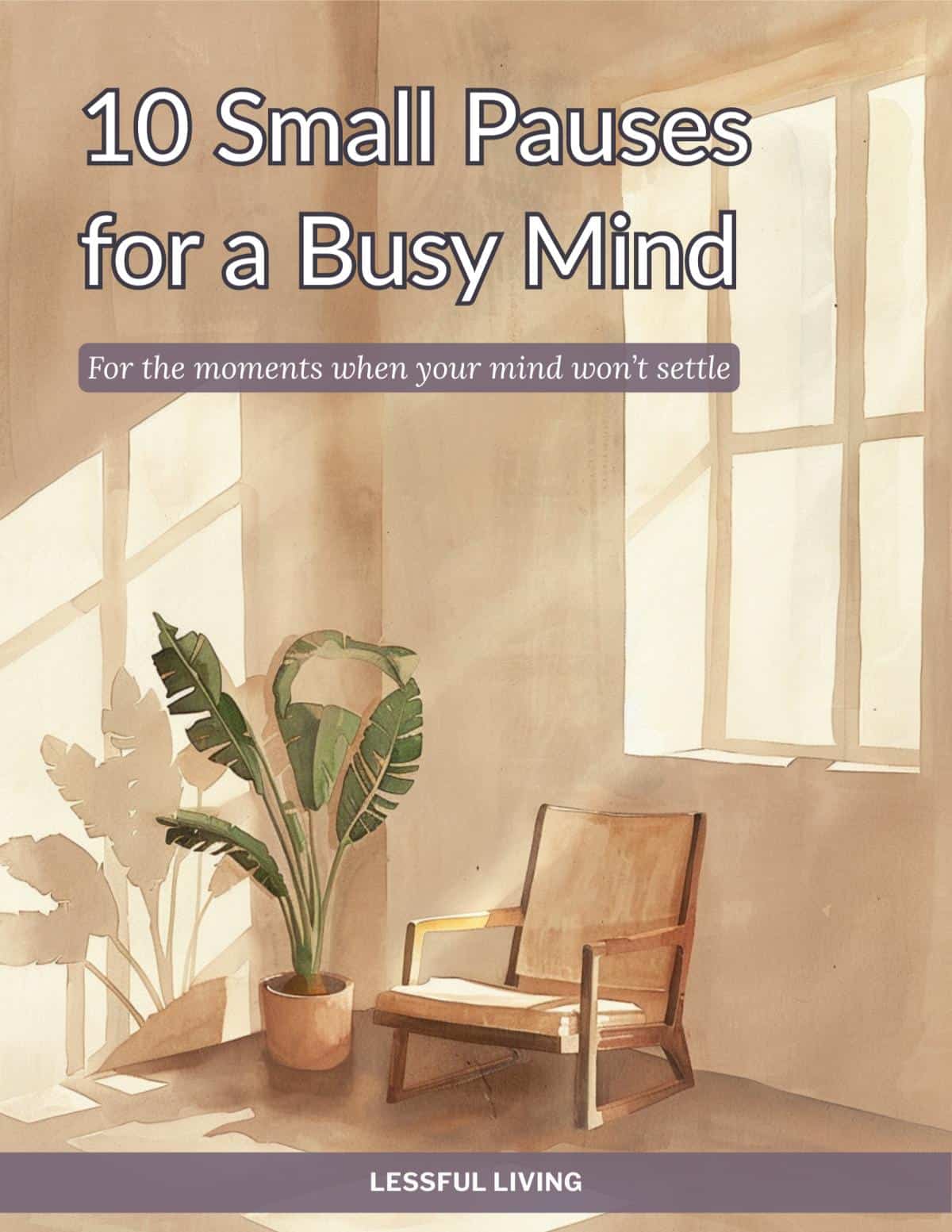
If this is hitting close to home, there’s a short free guide with 10 small pauses you can use when your mind feels busy or hard to settle.
The Practice: Creating a Deliberate Arrival
The quiet practice isn’t about adding something new to your day, but about choosing one moment to fully arrive, without multitasking, documenting, or preparing for what’s next.
Arrival doesn’t mean stopping everything. It means letting one moment be complete before moving on.
This can happen anywhere: when you sit down at your desk, step into your home, or pause before starting something familiar. The practice is simple, but its impact is cumulative.
How Arrival Differs From Rest
Rest often gets framed as recovery after exhaustion. Arrival is different. It’s a way of preventing that exhaustion from building unnoticed.
When you arrive, you’re not trying to calm down or recharge. You’re simply acknowledging where you are (physically and mentally) before proceeding.
This subtle recognition brings clarity and grounds attention without effort.
What Arrival Looks Like in Everyday Life
Arriving at a space
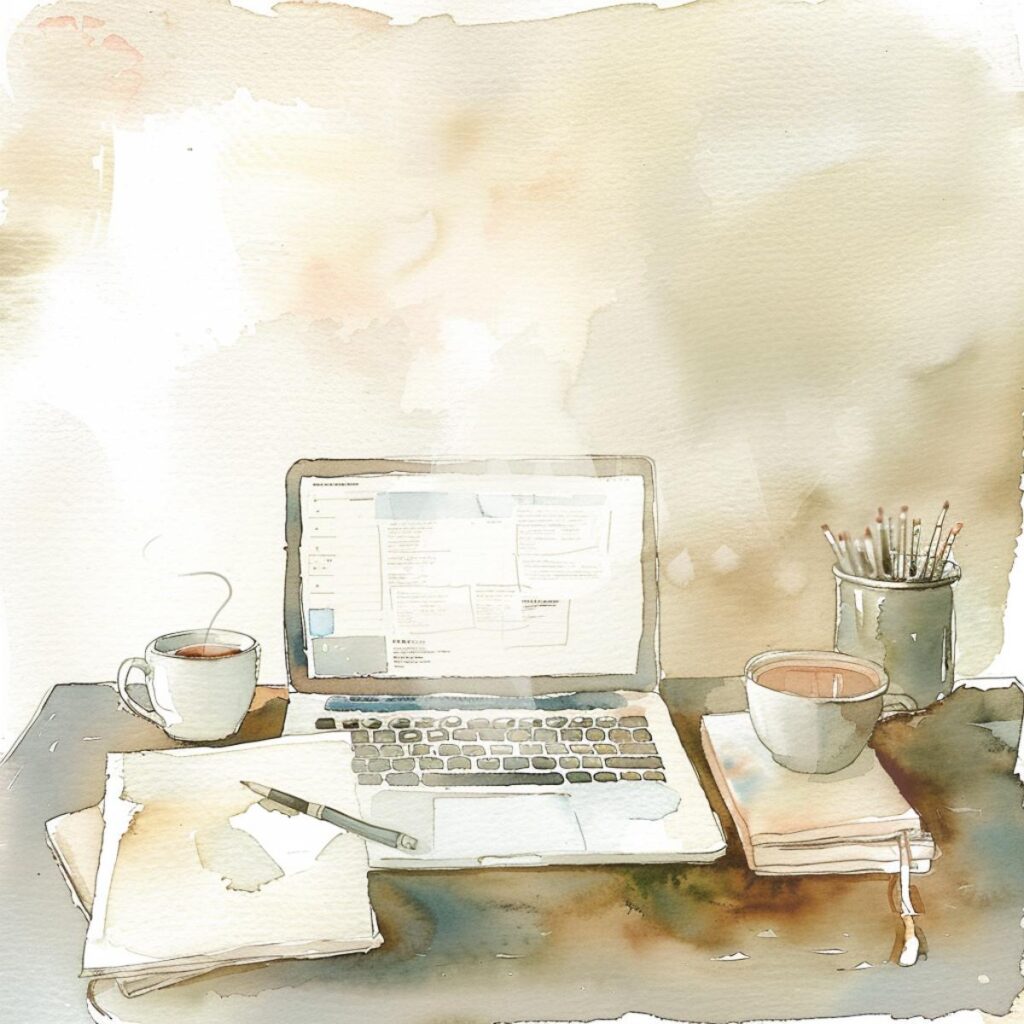
Before beginning work, you pause for a few breaths and notice the room. Not to analyze it, but just to register it.
This small moment signals to your nervous system that you’re here now, not rushing in mid-thought from somewhere else.
Arriving at a task
Instead of opening multiple tabs immediately, you name the single task you’re starting. Not as a goal, but as a point of focus.
That naming creates a boundary and gives your attention somewhere to land.
Arriving at rest
When you sit down to rest, you don’t bring the day with you. Even briefly, you allow yourself to feel the shift from doing to being.
Arrival turns rest into something deeper than collapse. It becomes presence.
Why This Practice Helps You Feel Like Yourself
Feeling like yourself is about self-recognition, not self-improvement.
When you arrive in moments throughout the day, you reduce the internal fragmentation that comes from constant partial attention. You stop scattering yourself across what just happened and what’s coming next.
Over time, this practice creates continuity. You feel less like you’re catching up with your life and more like you’re inside it as it unfolds.
The Simplicity Is the Point
This practice works because it’s quiet and unremarkable. There’s nothing to track, optimize, or perfect.
You don’t need to do it every time. Even once a day is enough to shift how the day feels.
The mind learns, slowly, that it’s allowed to settle. That it doesn’t have to stay in motion to stay safe.
Letting Yourself Be Where You Are
The most overlooked part of modern life is arrival. We enter rooms, conversations, and tasks without ever quite being there.
Choosing to arrive, even briefly, is a way of returning to yourself without effort or force. It doesn’t change your schedule or responsibilities.
It simply changes how present you are for your own life.
If this felt familiar, you don’t have to carry it alone.
I put together a short, free guide with 10 small pauses you can use when your mind feels busy, full, or hard to settle. They’re simple moments you can come back to during the day. No routines, no fixing, and no pressure.