
7 Quiet Signs Your Spending Is Carrying Emotional Weight
There are moments when a purchase looks reasonable on the surface, but afterward something feels off. Not regret exactly. Just a faint heaviness that lingers longer than the receipt.
The item itself isn’t the problem. It’s the feeling attached to why it was bought.
Spending often gets framed as practical or impulsive, but there’s a quieter layer beneath it. One that has less to do with budgets and more to do with how we’re carrying the day. Recognizing that layer can bring surprising clarity, not by changing everything, but by noticing what’s already there.
What Emotional Weight in Spending Really Means

Emotional weight doesn’t necessarily mean “bad” spending or a lack of discipline. It means a purchase is doing more than meeting a need. It’s holding stress, pressure, hope, or relief (sometimes all at once).
These moments are easy to miss because they blend into normal life, but when spending quietly takes on emotional labor, it can add to mental clutter instead of easing it.
Below are several gentle signs that money may be carrying more emotional meaning than it appears.
If this is hitting close to home, there’s a short free guide with 10 small pauses you can use when your mind feels busy or hard to settle.
1. The purchase feels urgent even when the need isn’t
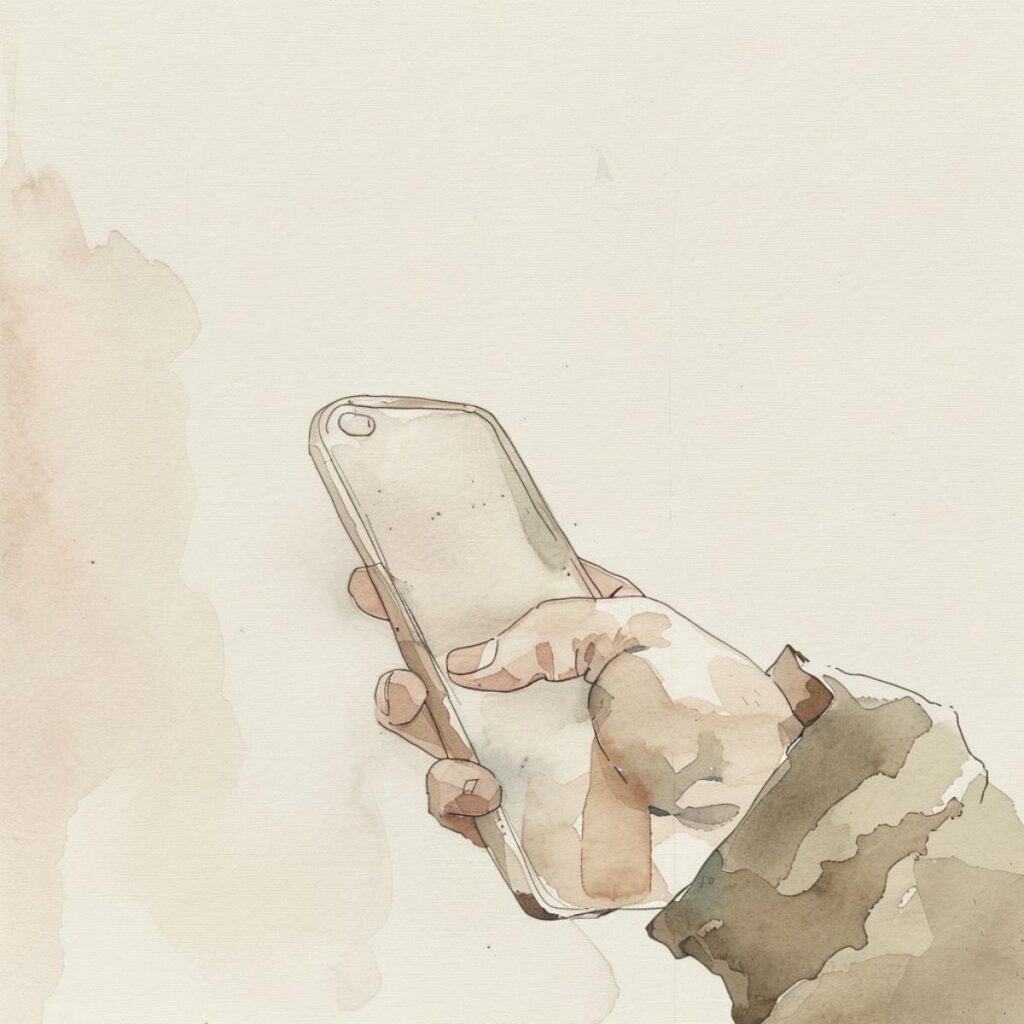
Some purchases arrive with a sense of now-or-never energy. The item might be useful, but the urgency feels out of proportion.
This often shows up during busy or overstimulated days. Buying becomes a way to resolve a feeling quickly to quiet something internal that feels restless or unresolved.
2. You feel temporary relief, followed by a quick emotional drop
There’s a brief lightness right after clicking “buy.” A small exhale. Then, not long after, the feeling fades.
When spending acts as a pause button for stress rather than a response to a clear need, the relief rarely lasts. The mind returns to its baseline hum, sometimes heavier than before.
3. The item represents a version of life you’re longing for

Some purchases carry imagined futures with them, like a calmer routine or more organization.
The object itself isn’t the issue. It’s the quiet hope it’s holding. When expectations are layered onto things, they can start to feel heavier than they look.
4. Shopping becomes a background activity
Scrolling stores can slip into the same mental category as scrolling feeds. Something to do while waiting, decompressing, or avoiding stillness.
In these moments, spending isn’t intentional or reckless. It’s automatic. A way to stay occupied when the mind doesn’t quite know where to rest.
5. You justify the purchase immediately
When reasoning arrives fast (“I deserve this,” “I’ll use it eventually,” “It was on sale”), it can be a sign that the decision is already emotionally charged.
Justification isn’t wrong. It’s often a clue that the purchase is serving more than one purpose, including emotional reassurance.
6. The item blends into the background quickly
Some things feel exciting briefly, then disappear into daily life without much impact.
When this happens often, it can point to spending as a momentary distraction rather than a meaningful addition. The object arrives, but the underlying need remains.
7. You feel heavier instead of lighter afterward
Perhaps the clearest sign is how you feel once the transaction is complete. Calm? Neutral? Or subtly burdened?
Emotional weight shows up as mental residue. A sense that something was added, not resolved.
Creating Awareness Without Adding Pressure
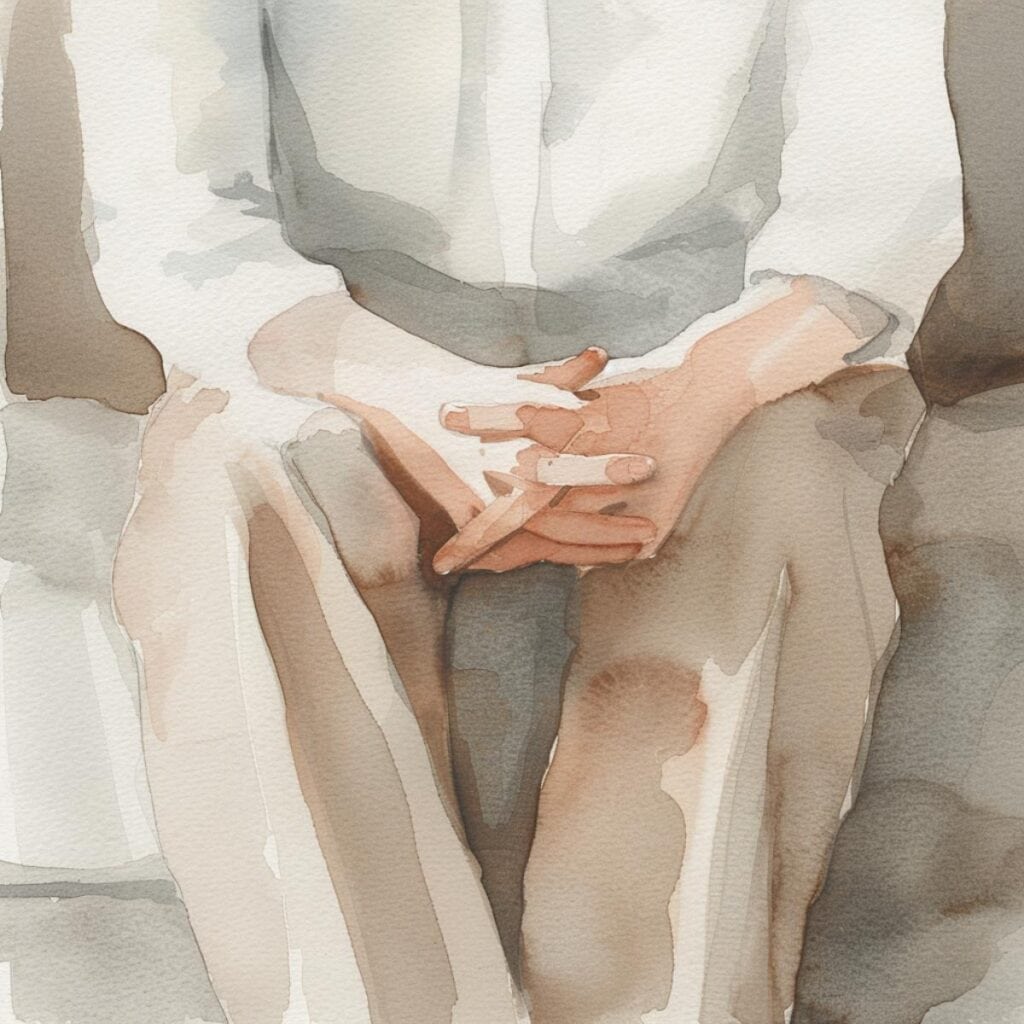
Recognizing emotional weight is about soft awareness, not fixing habits or tightening rules.
The next time you feel drawn to buy something, it can help to pause just long enough to ask: What is this purchase holding for me right now? Not to judge the answer, but just to notice it.
Sometimes the clarity alone is enough to create space. Other times, you may still choose to buy the thing, but with a gentler understanding of why.
Letting Spending Become Lighter Again
When spending aligns with clarity rather than emotional load, it often feels quieter, less urgent, and less charged.
The goal isn’t to remove comfort or enjoyment, but to let money stop carrying feelings it was never meant to hold. In that space, purchases can return to what they’re best at: supporting life, not buffering it.
If this felt familiar, you don’t have to carry it alone.
I put together a short, free guide with 10 small pauses you can use when your mind feels busy, full, or hard to settle. They’re simple moments you can come back to during the day. No routines, no fixing, and no pressure.